


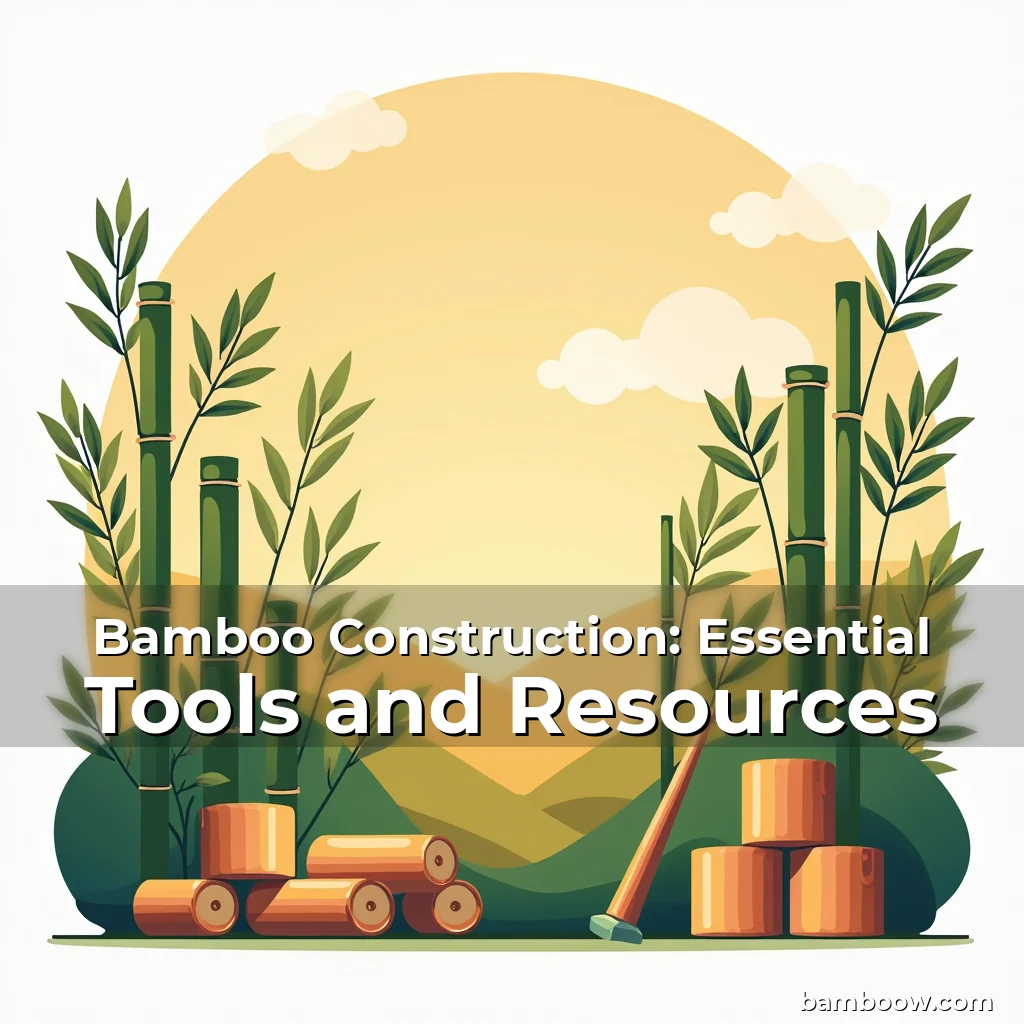
Bamboo Construction: Essential Tools and Resources
Bamboo construction is emerging as a sustainable alternative to traditional building methods, offering strength, flexibility, and eco-friendliness.
This article explores the tools, techniques, and resources necessary for anyone looking to build using bamboo, from beginners to seasoned professionals.
The Rise of Bamboo in Modern Architecture
Bamboo has been used for centuries in various cultures around the world, primarily due to its rapid growth rate and durability.
In recent years, architects and engineers have rediscovered the potential of bamboo as a modern material that can be engineered to meet contemporary structural requirements.
Countries such as China, Indonesia, and Colombia have pioneered innovative bamboo structures, proving its versatility and resilience against natural disasters.
For instance, the Green School in Bali showcases how bamboo can create beautiful, functional buildings while promoting environmental sustainability.
The resurgence of interest in bamboo construction aligns perfectly with global efforts towards reducing carbon footprints and promoting green technologies.
Understanding Bamboo Species and Their Properties
Selecting the right species of bamboo is crucial when undertaking any construction project.
Different types of bamboo vary significantly in terms of hardness, tensile strength, and resistance to pests and decay.
Tropical bamboo varieties, such as Moso and Guadua, are often preferred because they grow quickly and possess high mechanical properties suitable for load-bearing applications.
In contrast, temperate bamboo species tend to be less dense but still offer viable options for non-load bearing elements within constructions.
Knowing which type of bamboo suits particular purposes helps ensure both safety and longevity of the structure being built.
Commonly Used Bamboo Species in Construction
Moso bamboo is widely recognized for its exceptional strength-to-weight ratio making it ideal for flooring and structural components.
Guadua angustifolia is another popular choice known for its superior bending strength compared to many hardwoods.
Dendrocalamus strictus finds application mainly in interior design where aesthetics matter alongside functionality.
Gardeners might choose Phyllostachys aurea simply because they enjoy working with ornamental plants; however, these do not typically provide adequate support for serious architectural projects.
Before selecting any variety for construction use always consult local experts familiar with regional conditions affecting bamboo performance over time.
Tools Needed for Effective Bamboo Processing
A well-equipped workshop plays an essential role in preparing raw bamboo for construction purposes.
From cutting machines to preservation treatments, having appropriate equipment ensures quality results every time.
Basic hand tools include saws specifically designed for cutting through tough fibrous materials safely without splintering.
Power tools accelerate processing tasks although care must be taken regarding blade maintenance and operator training levels required.
Preservation chemicals protect cut ends from moisture ingress thereby extending lifespan expectancy considerably.
Step-by-Step Process of Preparing Bamboo for Building
The first step involves harvesting mature stalks at optimal times determined by local climatic factors influencing growth cycles.
After collection, stalks need thorough cleaning removing dirt debris adhered onto outer surfaces before moving forward with further preparations.
Cutting them down accurately based upon intended usage determines whether whole poles remain intact or get split into smaller segments depending upon project needs.
Each segment undergoes treatment processes aimed primarily at preventing rotting caused mainly via fungal infections inside hollow interiors.
This includes soaking parts briefly followed up immersing fully submerged layers under water several days long enough until internal tissues become sufficiently saturated.
Post-soaking steps involve drying out naturally exposed either indoors protected areas free from direct sunlight radiation harmful effects potentially damaging cellular integrity.
Finally sealed properly using suitable sealants applied evenly along exterior sides enhancing appearance plus adding extra protection against weather elements.
Design Considerations Specific To Using Bamboo In Buildings
Structural designs incorporating bamboo require careful consideration during initial stages involving site analysis topography evaluation wind patterns prevailing forces exerted horizontally vertically etcetera.
Engineered joints form critical aspects ensuring stability particularly when combining multiple pieces together forming larger assemblies.
Joint types range from simple metal connectors manufactured specially fitting precisely dimensions achieved through precise measurements done beforehand.
Alternatively custom fabricated solutions tailored according to individual specifications sometimes prove advantageous especially complex geometries difficult achieving standard off-the-shelf fittings.
Proper alignment maintained between connecting points prevents undue stress concentrations risking failure scenarios otherwise avoidable.
Calculating loads distribution across entire framework becomes imperative task requiring knowledge basic principles physics mathematics applied practically real-world situations confronting builders daily.
Cost Analysis Comparing Traditional Materials With Bamboo Alternatives
Evaluating financial implications associated choosing bamboo versus conventional choices reveals significant differences impacting overall budgets significantly.
Rough estimates indicate initial setup expenses could exceed typical expectations approximately thirty percent higher initially before reaching equilibrium phase where savings start accruing gradually increasing thereafter.
Lifetime costs generally favor bamboo owing largely increased service life attributed enhanced natural resistance insect infestations diseases deterioration mechanisms usually observed wood products treated chemically artificially introduced preservatives later stages development cycle.
Moreover reduced transportation emissions linked lightweight nature contributes positively toward lowering carbon footprint totals substantially compared heavier alternatives needing greater energy inputs involved shipping hauling operations worldwide scale.
Government incentives exist encouraging adoption green building practices including tax credits rebates available those meeting stringent certification standards set forth international organizations dedicated advancing sustainable initiatives globally.
Safety Standards And Certifications For Bamboo Structures
Adhering strictly established protocols governing bamboo utilization assures occupants peace mind knowing structures reliable secure regardless external pressures encountered routinely.
International standards bodies develop guidelines detailing minimum requirements concerning dimensional tolerances allowable defects permissible acceptable limits ensuring consistency reliability irrespective geographical locations sources origin material procured utilized final product created.
Local regulations may impose additional constraints beyond general recommendations necessitating consultation qualified authorities prior commencing work sites affected jurisdictions possessing distinct legislative frameworks governing land use rights approvals permits needed completing proposed developments successfully completed lawfully compliant manner.
Certification programs validate compliance procedures undertaken validating authenticity claims made producers manufacturers guaranteeing buyers confidence purchasing decisions informed correctly rather relying solely subjective opinions possibly misleading inaccurate misrepresentative information circulated indiscriminately online platforms social media channels nowadays.
Community Support Networks For Those Interested In Learning More About Bamboo Construction
Finding mentors skilled experienced individuals willing share expertise invaluable resource accelerating learning curve dramatically shortening periods mastering fundamental skills acquiring proficiency executing advanced techniques confidently independently without supervision guidance assistance.
Joining professional associations connects enthusiasts professionals alike fostering collaborative environments facilitating exchange ideas experiences promoting innovation continual improvement sector continuously evolving responding changing demands technological advancements occurring rapidly present day scenario current affairs shaping future landscapes industry trajectories.
Online forums serve virtual communities providing platforms discussing topics ranging theoretical foundations practical implementations troubleshooting challenges encountered throughout journey mastering discipline exploring possibilities opening doors opportunities otherwise unreachable restricted physical proximity limitations inherent traditional educational institutions constrained spatial constraints imposed logistical barriers travel distances involved participation events conferences workshops seminars held regularly across globe.
Workshops offered periodically enable hands-on experience applying concepts learned theoretically gaining tangible understanding realities field contrasting abstract models simulated scenarios actual conditions faced practitioners everyday lives working actively contributing ongoing progress society embracing ecological responsibility stewardship planet Earth.
Conclusion
Bamboo construction represents a promising avenue merging tradition innovation addressing pressing concerns climate change environmental degradation simultaneously fulfilling aesthetic functional requirements simultaneously.
By investing wisely selecting correct resources maintaining awareness regulatory compliances leveraging supportive networks growing professionally personally benefits extend far merely constructing shelters housing people protecting assets investments securing futures generations ahead ensuring continuity legacy rooted sustainable philosophies guiding humanity forward collectively toward common goal harmonious coexistence nature civilization.


news is a contributor at BamBoow. We are committed to providing well-researched, accurate, and valuable content to our readers.
You May Also Like

Bamboo Construction vs Alternatives: Complete Comparison
Bamboo Construction vs Alternatives: Complete Comparison Bamboo has long been celebrated as an extraordinary natural resource, but its potential in...
Bamboo Construction for Small Spaces
The Legacy of Bamboo in Global Architecture Cultures across Asia, Africa, and Latin America have utilized bamboo for centuries. Ancient...
Bamboo Construction for Beginners: Getting Started
Selecting the Right Type of Bamboo Over 1,400 bamboo species exist globally, but only a few possess structural value for...

NGO criticizes unregulated bamboo harvesting in Ghana
The Threat of Uncontrolled Bamboo Cutting The rapid expansion of bamboo plantations has led to widespread deforestation and habitat destruction...