


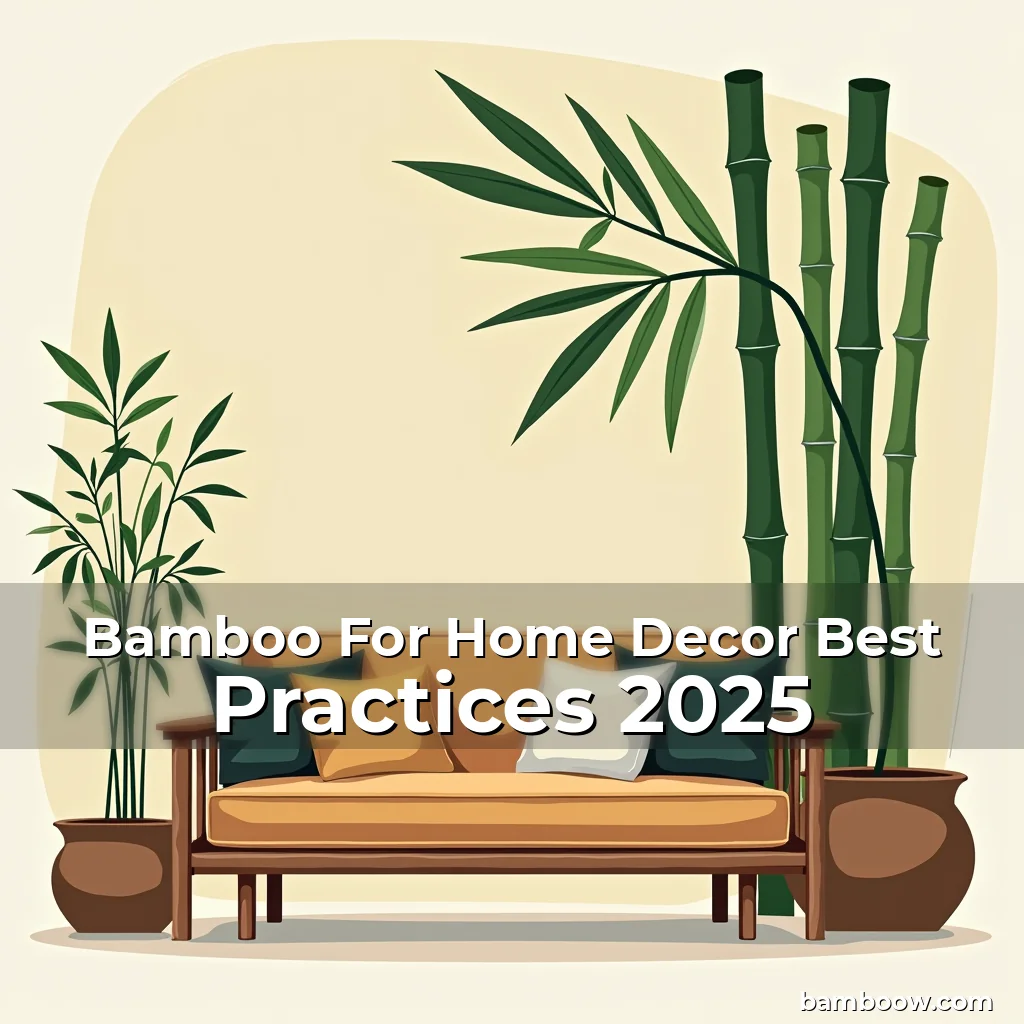
Bamboo For Home Decor Best Practices 2025
In recent years, bamboo has emerged as a versatile and sustainable choice for home decor, blending functionality with natural beauty. Its lightweight yet durable nature makes it ideal for everything from flooring to decorative accents.
The growing emphasis on eco-conscious living has elevated bamboo’s popularity, offering homeowners a stylish way to reduce environmental impact while enhancing interior aesthetics.
The Rise of Bamboo in Modern Interior Design
Modern interior design increasingly favors materials that reflect both style and sustainability, and bamboo stands out as a prime candidate. Its organic textures and warm hues complement diverse décor styles, making it adaptable to various spaces.
Designers often incorporate bamboo into minimalist, bohemian, or rustic themes due to its ability to evoke a sense of tranquility and connection to nature. It pairs seamlessly with neutral palettes and earthy tones.
Bamboo’s rapid growth cycle—maturing in 3–5 years compared to decades for hardwoods—makes it a renewable resource that aligns perfectly with green building practices.
- Eco-friendliness: Bamboo absorbs CO₂ and releases oxygen faster than most trees, improving indoor air quality naturally.
- Aesthetic versatility: From polished finishes to raw, textured surfaces, bamboo offers endless possibilities for customization.
Natural Properties That Define Bamboo Decor
Bamboo’s inherent strength and flexibility stem from its hollow structure, which distributes weight evenly and resists warping over time. These qualities make it a reliable material for furniture and cabinetry.
The plant’s natural resistance to moisture and pests reduces the need for chemical treatments, preserving its integrity and minimizing health risks associated with synthetic finishes.
Bamboo contains silica, a mineral that enhances durability and helps maintain its appearance even in high-humidity environments like bathrooms or kitchens.
Choosing the Right Types of Bamboo for Your Space
Selecting the appropriate type of bamboo depends on factors like intended use, climate conditions, and desired visual outcome. Common varieties include Moso, Tonkin, and Bambusa vulgaris.
Moso bamboo, known for its thick stalks and dense grain, is ideal for heavy-duty applications such as flooring or outdoor structures. Tonkin bamboo, lighter in color, suits interiors better.
Consider whether your space requires smooth, lacquered surfaces or a more rustic, unfinished look before purchasing. Consulting local suppliers ensures access to locally grown, sustainably harvested options.
Styling Tips for Incorporating Bamboo Into Your Home
Begin by identifying focal areas where bamboo can enhance ambiance, such as entryways, living rooms, or bedrooms. A statement piece like a bamboo chandelier or wall art adds instant character.
Tie bamboo elements together with complementary textures, such as jute rugs, woven baskets, or rattan chairs. Layering these materials creates depth and warmth in open-concept spaces.
Balance bold bamboo features with neutral tones in upholstery and accessories to avoid overwhelming the room. Metallic accents in gold or bronze elevate the overall sophistication.
Eco-Friendly Benefits of Bamboo Furniture and Accessories
Bamboo products require fewer resources during production compared to traditional wood items, reducing energy consumption and waste generation throughout their lifecycle.
Unlike plastic or metal, bamboo degrades harmlessly over time, making it a biodegradable alternative that supports circular economy principles through recycling programs.
Furniture made from recycled or reclaimed bamboo further minimizes carbon footprint by repurposing existing stock rather than sourcing new raw materials.
Care and Maintenance Guidelines for Longevity
To preserve the luster of finished bamboo surfaces, clean them regularly with mild soap and water. Wipe spills promptly to prevent staining or discoloration caused by prolonged exposure to liquids.
Apply food-safe oils periodically, especially for kitchen utensils or dining tables, to protect against scratches and maintain the wood’s natural sheen. Avoid placing bamboo near direct heat sources or excessive sunlight.
For untreated pieces, sand lightly and reseal annually using non-toxic sealants designed specifically for bamboo to extend lifespan and retain original texture.
Diy Projects Using Bamboo for Personalized Touches
Create custom shelves, picture frames, or candle holders using leftover bamboo scraps. These projects allow creativity while upcycling materials otherwise destined for disposal.
Learn basic joinery techniques like mortise-and-tenon joints or simple glue bonding methods to assemble sturdy yet elegant creations. Online tutorials provide step-by-step guidance tailored to beginners.
Incorporate personal motifs through carving, painting, or engraving techniques that reflect individual tastes and cultural backgrounds uniquely.
Where to Source High-Quality Bamboo Products
Local artisans specializing in handcrafted bamboo goods offer superior craftsmanship and support small businesses committed to ethical manufacturing standards. Visit markets or online platforms showcasing independent creators.
Larger retailers may carry mass-produced bamboo items at lower prices, but prioritize brands transparent about their supply chains and environmentally responsible practices.
Check certifications like FSC (Forest Stewardship Council) or GreenGuard to verify product authenticity regarding sustainability claims and safety regulations.
Common Mistakes to Avoid When Decorating With Bamboo
Overloading a space with too many bamboo elements can lead to cluttered appearances unless carefully planned. Focus on strategic placement rather than saturation.
Ignore compatibility with other furnishings; mismatched scales or styles disrupt harmony. Match proportions and balance contrasting shapes effectively.
Skip professional installation for complex structures like ceilings or built-in cabinets, risking damage to delicate components requiring precise fitting.
Conclusion
Bamboo brings unparalleled elegance and ecological responsibility to contemporary homes, proving that beauty and sustainability go hand in hand. Its adaptability caters to varied preferences without compromising quality or ethics.
By integrating thoughtful choices in sourcing, styling, and upkeep, anyone can transform their living environment into a serene sanctuary rooted in conscious design decisions today.


news is a contributor at BamBoow. We are committed to providing well-researched, accurate, and valuable content to our readers.
You May Also Like

How to Choose Bamboo For Home Decor: Expert Guide
How to Choose Bamboo For Home Decor: Expert Guide Bamboo has emerged as a beloved material for modern home decor,...
Professional Bamboo For Home Decor: Advanced Techniques
Bamboo Elegance Unleashed: Mastering Natural Design with Living Green Elements The ancient art of weaving nature into modern aesthetics finds...
Common Bamboo For Home Decor Mistakes to Avoid
Common Bamboo For Home Decor Mistakes to Avoid Bamboo has become increasingly popular as an eco-friendly and aesthetically pleasing material...

Bamboo For Home Decor on a Budget: Money-Saving Tips
Bamboo For Home Decor on a Budget: Money-Saving Tips The natural charm of bamboo brings an earthy sophistication that seamlessly...