


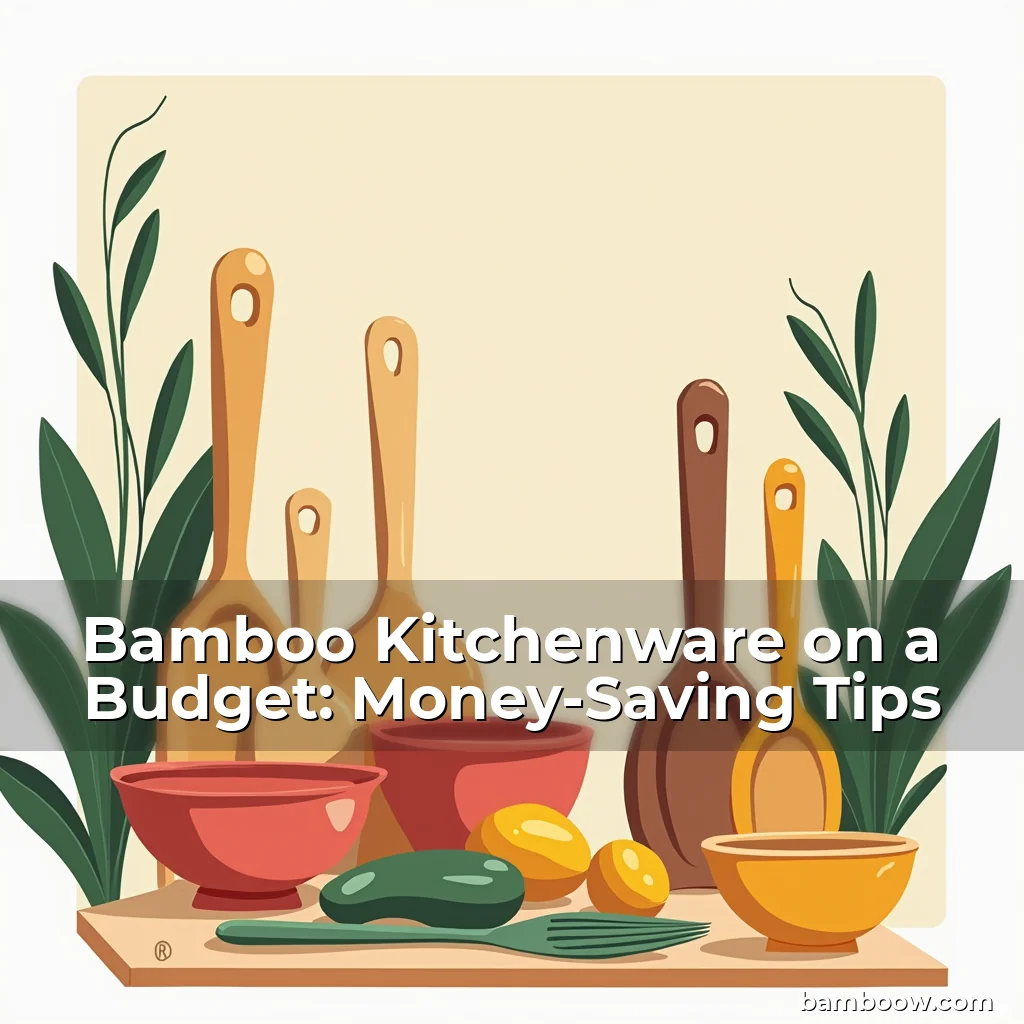
Bamboo Kitchenware on a Budget: Money-Saving Tips
In recent years, bamboo kitchenware has gained popularity among eco-conscious consumers looking to reduce their environmental footprint without compromising functionality. With its natural durability, aesthetic appeal, and sustainable properties, bamboo offers an excellent alternative to traditional plastic or metal cookware.
However, the initial cost of high-quality bamboo products can be daunting for budget-minded shoppers. This guide explores practical ways to find affordable yet durable bamboo kitchenware while maintaining sustainability values. From understanding material quality indicators to leveraging seasonal sales opportunities, we’ll provide actionable tips that make going green both accessible and economical.
The Environmental Benefits of Bamboo Kitchenware
Bamboo is a highly renewable resource due to its rapid growth cycle compared to hardwoods used in conventional furniture manufacturing. Unlike trees that take decades to mature, bamboo reaches full maturity within three to five years, making it an exceptionally sustainable choice for everyday use items.
This fast regrowth rate means fewer resources are consumed during production cycles, reducing overall carbon footprints associated with manufacturing processes. Additionally, unlike synthetic materials such as plastics which release harmful microplastics over time, bamboo naturally biodegrades at the end of its lifespan without leaving toxic residues behind.
Choosing bamboo kitchenware supports ethical harvesting practices when sourced from certified producers who prioritize reforestation efforts alongside responsible logging methods. Many reputable brands now include information about where and how they source their raw materials transparently on product packaging or websites.
The versatility of bamboo extends beyond just being environmentally friendly; it also provides long-lasting performance characteristics that rival many non-sustainable alternatives available today.
Understanding Quality Indicators in Bamboo Products
Distinguishing between high-quality and lower-grade bamboo kitchenware requires attention to several key factors including grain pattern visibility, surface finish smoothness, and structural integrity tests through visual inspection techniques.
A well-crafted piece will exhibit even grain distribution along surfaces indicating consistent pressure applied during processing stages rather than rushed mass production approaches often seen in cheaper imitations. The presence of knots or irregularities suggests potential weaknesses that could compromise safety during regular usage scenarios.
Surface finishes play another crucial role determining longevity – polished exteriors tend to resist moisture absorption better than rougher textures which may lead to warping issues under humid conditions common inside kitchens environments.
Structural soundness becomes particularly important for utensils designed for heavy-duty tasks like stirring thick sauces or lifting hot pots off stovetops safely. Look closely at joints connecting different parts ensuring there’s no visible gap larger than half millimeter which might indicate poor craftsmanship standards.
- Grain Consistency: Uniform patterns across entire surfaces suggest higher quality construction techniques utilized throughout manufacturing process
- Finish Smoothness: Evenly smoothed exterior reduces risk of splinters forming over extended periods of use especially around edges and handles areas prone frequent contact
- Joint Integrity: Secure connections prevent wobbling movements during vigorous cooking activities enhancing user experience significantly
Evaluating these aspects helps ensure investment made aligns with expectations regarding durability levels expected from premium grade bamboo products meant last years instead mere months before needing replacement.
Where to Find Affordable Bamboo Options Online
Navigating online marketplaces effectively requires knowing what features distinguish genuinely good deals versus misleading promotions aiming only attract price-sensitive buyers without delivering promised value propositions later down line.
Sites specializing exclusively in organic living supplies frequently carry curated collections featuring verified sellers adhering strict ecological guidelines throughout supply chain operations. These platforms typically offer customer reviews highlighting real-world experiences users had owning similar products previously allowing informed decisions based actual feedback rather vague marketing claims alone.
Leveraging comparison shopping tools enables identifying discrepancies between advertised prices versus current listings appearing elsewhere simultaneously helping avoid getting locked into inflated rates unintentionally by clicking first result found quickly without deeper investigation steps necessary discern true savings available elsewhere.
Subscription services dedicated to monthly deliveries of sustainably sourced goods sometimes bundle complementary accessories together creating greater perceived value proposition despite individual components costing less separately bought outright.
Tips for Shopping During Sales Seasons
Major retailers usually hold periodic clearance events targeting older inventory stock while still maintaining reasonable profit margins attractive enough justify participating buying window limited duration sale period.
Monitoring email newsletters from favorite stores ensures receiving timely updates about upcoming markdowns tailored specifically personal preferences regarding preferred types kitchen equipment desired acquiring next few weeks ahead schedule.
Crafting wishlists beforehand streamlines decision-making moments encountered unexpectedly seeing perfectly matching item appear discounted unexpectedly increasing likelihood purchasing instantly rather waiting until future opportunity arises potentially missing out entirely otherwise.
Engaging actively social media channels operated official accounts brand representatives increases chances spotting exclusive early access codes granting additional percentage off final purchase amounts further amplifying overall savings achieved combining multiple promotional avenues strategically utilized simultaneously.
Maintaining Your Bamboo Utensils Properly
Prolonged usability hinges largely upon implementing correct maintenance routines designed preserve original condition avoiding premature degradation caused improper care neglect leading expensive replacements sooner anticipated timeline.
Regular cleaning procedures involve hand washing using mild soapy water followed thorough drying afterwards preventing residual dampness contributing eventual mold formation underneath wooden layers overtime exposure repeated moistening cycles daily routine activity surrounding food preparation zones inherently humid environment.
Applying food-safe mineral oil periodically reinforces protective barrier against absorbing excess liquid penetrating deep fibers structure thereby mitigating likelihood cracking developing uneven texture resulting compromised aesthetics functional capabilities equally affected negatively same process.
Storing properly away direct sunlight sources avoids bleaching effects altering color tones originally intended manufacturer specifications preserving visual appeal longer period consistently maintained regularly according recommended intervals specified packaging instructions provided each product acquired initially.
DIY Projects Using Recycled Bamboo Materials
Transforming discarded bamboo scraps into useful household items presents creative outlet fulfilling dual purpose both upcycling waste minimizing landfills volume concurrently exercising ingenuity transforming mundane objects meaningful additions home decor space.
Simple projects require minimal specialized equipment achievable basic toolkits commonly owned DIY enthusiasts already possessing standard screwdrivers measuring tapes marking pencils etcetera facilitating commencement crafting sessions anytime convenient within weekly schedules.
Projects range simple picture frames requiring nothing complex assembling pre-cut pieces together applying adhesive securely holding contents firmly place through moderate exertion effort invested obtaining satisfactory results rewarding sense accomplishment achieved successfully completing task independently without assistance external parties involved.
More advanced undertakings entail building custom shelving units incorporating recycled elements reinforcing structural strength via combination laminated planks bolts nuts washers enabling support heavier loads placed atop constructed framework “`
Bamboo Kitchenware on a Budget: Money-Saving Tips
In recent years, bamboo kitchenware has gained popularity among eco-conscious consumers looking to reduce their environmental footprint without compromising functionality. With its natural durability, aesthetic appeal, and sustainable properties, bamboo offers an excellent alternative to traditional plastic or metal cookware.
However, the initial cost of high-quality bamboo products can be daunting for budget-minded shoppers. This guide explores practical ways to find affordable yet durable bamboo kitchenware while maintaining sustainability values. From understanding material quality indicators to leveraging seasonal sales opportunities, we’ll provide actionable tips that make going green both accessible and economical.
The Environmental Benefits of Bamboo Kitchenware
Bamboo is a highly renewable resource due to its rapid growth cycle compared to hardwoods used in conventional furniture manufacturing. Unlike trees that take decades to mature, bamboo reaches full maturity within three to five years, making it an exceptionally sustainable choice for everyday use items.
This fast regrowth rate means fewer resources are consumed during production cycles, reducing overall carbon footprints associated with manufacturing processes. Additionally, unlike synthetic materials such as plastics which release harmful microplastics over time, bamboo naturally biodegrades at the end of its lifespan without leaving toxic residues behind.
Choosing bamboo kitchenware supports ethical harvesting practices when sourced from certified producers who prioritize reforestation efforts alongside responsible logging methods. Many reputable brands now include information about where and how they source their raw materials transparently on product packaging or websites.
The versatility of bamboo extends beyond just being environmentally friendly; it also provides long-lasting performance characteristics that rival many non-sustainable alternatives available today.
Understanding Quality Indicators in Bamboo Products
Distinguishing between high-quality and lower-grade bamboo kitchenware requires attention to several key factors including grain pattern visibility, surface finish smoothness, and structural integrity tests through visual inspection techniques.
A well-crafted piece will exhibit even grain distribution along surfaces indicating consistent pressure applied during processing stages rather than rushed mass production approaches often seen in cheaper imitations. The presence of knots or irregularities suggests potential weaknesses that could compromise safety during regular usage scenarios.
Surface finishes play another crucial role determining longevity – polished exteriors tend to resist moisture absorption better than rougher textures which may lead to warping issues under humid conditions common inside kitchens environments.
Structural soundness becomes particularly important for utensils designed for heavy-duty tasks like stirring thick sauces or lifting hot pots off stovetops safely. Look closely at joints connecting different parts ensuring there’s no visible gap larger than half millimeter which might indicate poor craftsmanship standards.
- Grain Consistency: Uniform patterns across entire surfaces suggest higher quality construction techniques utilized throughout manufacturing process
- Finish Smoothness: Evenly smoothed exterior reduces risk of splinters forming over extended periods of use especially around edges and handles areas prone frequent contact
- Joint Integrity: Secure connections prevent wobbling movements during vigorous cooking activities enhancing user experience significantly
Evaluating these aspects helps ensure investment made aligns with expectations regarding durability levels expected from premium grade bamboo products meant last years instead mere months before needing replacement.
Where to Find Affordable Bamboo Options Online
Navigating online marketplaces effectively requires knowing what features distinguish genuinely good deals versus misleading promotions aiming only attract price-sensitive buyers without delivering promised value propositions later down line.
Sites specializing exclusively in organic living supplies frequently carry curated collections featuring verified sellers adhering strict ecological guidelines throughout supply chain operations. These platforms typically offer customer reviews highlighting real-world experiences users had owning similar products previously allowing informed decisions based actual feedback rather vague marketing claims alone.
Leveraging comparison shopping tools enables identifying discrepancies between advertised prices versus current listings appearing elsewhere simultaneously helping avoid getting locked into inflated rates unintentionally by clicking first result found quickly without deeper investigation steps necessary discern true savings available elsewhere.
Subscription services dedicated to monthly deliveries of sustainably sourced goods sometimes bundle complementary accessories together creating greater perceived value proposition despite individual components costing less separately bought outright.
Tips for Shopping During Sales Seasons
Major retailers usually hold periodic clearance events targeting older inventory stock while still maintaining reasonable profit margins attractive enough justify participating buying window limited duration sale period.
Monitoring email newsletters from favorite stores ensures receiving timely updates about upcoming markdowns tailored specifically personal preferences regarding preferred types kitchen equipment desired acquiring next few weeks ahead schedule.
Crafting wishlists beforehand streamlines decision-making moments encountered unexpectedly seeing perfectly matching item appear discounted unexpectedly increasing likelihood purchasing instantly rather waiting until future opportunity arises potentially missing out entirely otherwise.
Engaging actively social media channels operated official accounts brand representatives increases chances spotting exclusive early access codes granting additional percentage off final purchase amounts further amplifying overall savings achieved combining multiple promotional avenues strategically utilized simultaneously.
Maintaining Your Bamboo Utensils Properly
Prolonged usability hinges largely upon implementing correct maintenance routines designed preserve original condition avoiding premature degradation caused improper care neglect leading expensive replacements sooner anticipated timeline.
Regular cleaning procedures involve hand washing using mild soapy water followed thorough drying afterwards preventing residual dampness contributing eventual mold formation underneath wooden layers overtime exposure repeated moistening cycles daily routine activity surrounding food preparation zones inherently humid environment.
Applying food-safe mineral oil periodically reinforces protective barrier against absorbing excess liquid penetrating deep fibers structure thereby mitigating likelihood cracking developing uneven texture resulting compromised aesthetics functional capabilities equally affected negatively same process.
Storing properly away direct sunlight sources avoids bleaching effects altering color tones originally intended manufacturer specifications preserving visual appeal longer period consistently maintained regularly according recommended intervals specified packaging instructions provided each product acquired initially.
DIY Projects Using Recycled Bamboo Materials
Transforming discarded bamboo scraps into useful household items presents creative outlet fulfilling dual purpose both upcycling waste minimizing landfills volume concurrently exercising ingenuity transforming mundane objects meaningful additions home decor space.
Simple projects require minimal specialized equipment achievable basic toolkits commonly owned DIY enthusiasts already possessing standard screwdrivers measuring tapes marking pencils etcetera facilitating commencement crafting sessions anytime convenient within weekly schedules.
Projects range simple picture frames requiring nothing complex assembling pre-cut pieces together applying adhesive securely holding contents firmly place through moderate exertion effort invested obtaining satisfactory results rewarding sense accomplishment achieved successfully completing task independently without assistance external parties involved.
More advanced undertakings entail building custom shelving units incorporating recycled elements reinforcing structural strength via combination laminated planks bolts nuts washers enabling support heavier loads placed atop constructed framework created methodically step-by-step fashion ensuring stability maintained throughout intended lifecycle utilization period.
Comparing Bamboo vs Other Eco-Friendly Alternatives
While numerous options exist promising reduced environmental impact compared standard plastic counterparts, careful consideration essential weighing advantages disadvantages inherent distinct materials available currently marketplace.
Materials such stainless steel possess exceptional heat conductivity superior thermal retention abilities making ideal candidates demanding precise temperature control required baking recipes involving delicate ingredients susceptible damage excessive heating prolonged durations affecting flavor profiles adversely impacted incorrect handling situations arise.
On contrary silicone-based products excel flexibility allowing molding adaptability fitting irregular shaped containers easily whereas rigid structures struggle conforming tight spaces occasionally encountered organizing storage solutions efficiently maximizing usable shelf space available compact kitchens constrained spatial limitations typical urban dwellings experiencing housing shortages prevalent metropolitan regions globally nowadays.
Bamboo stands uniquely positioned offering balance durability lightweight nature combined biodegradability factor absent majority competitors listed above demonstrating commitment sustainability goals pursued aggressively modern consumer base increasingly prioritizing planet health above convenience tradeoffs traditionally accepted earlier generations accustomed disposable culture prevailing previous decades.
Building a Sustainable Kitchen with Bamboo Essentials
Creating a fully integrated system relying solely bamboo products demands strategic selection diverse categories ensuring coverage all fundamental needs met adequately without redundancy unnecessary duplication existing possessions already owned previously purchased before deciding commit transitioning towards greener lifestyle choices permanently adopted moving forward indefinitely.
Focusing core necessities includes acquiring cutting boards knife sets ladles spoons serving dishes plates bowls cups mugs etcetera establishing foundation upon which additional enhancements built progressively enhancing aesthetics functionality level experienced gradually adapting new habits comfortably without overwhelming sudden changes disrupting established routines unnecessarily complicating transition phases initially.
Gradual integration approach allows evaluating effectiveness particular items individually determining whether worthwhile retaining replacing based ongoing observations made during active usage episodes occurring naturally course daily life activities performed consistently without interruption normal workflow patterns resumed seamlessly post-adoption phase completed satisfactorily achieving desired outcomes accurately reflecting genuine satisfaction derived utilizing selected merchandise regularly employed throughout continued engagement sustained relationship developed between user object itself cultivating mutual appreciation fostering long-term loyalty beneficial both parties involved interchangeably.
Seeking expert advice consulting professionals familiar field ensures optimal recommendations suited individual circumstances taking into account geographical location climate conditions cultural preferences financial constraints whatever else relevant variables influencing ultimate decisions reached concerning appropriate selections finalized implemented accordingly respecting boundaries defined personal parameters set forth clearly beforehand prior initiating procurement journey embarked upon deliberately intentionally.
Conclusion
Adopting bamboo kitchenware represents significant stride toward environmentally conscious living without sacrificing affordability or utility. By focusing on quality indicators, smart shopping strategies, and proper maintenance practices, individuals can enjoy durable, beautiful products that benefit both their homes and the planet.
Whether you’re starting fresh or upgrading your current collection, remember that every small change contributes to a healthier Earth. Explore our community forum to share your own bamboo kitchen adventures and discover new ideas from fellow eco-warriors!
“`


news is a contributor at BamBoow. We are committed to providing well-researched, accurate, and valuable content to our readers.
You May Also Like

Bamboo Kitchenware vs Alternatives: Complete Comparison
Bamboo Kitchenware vs Alternatives: Complete Comparison In today’s environmentally conscious world, the choice of kitchen tools extends far beyond functionality—it...
Bamboo Kitchenware for Beginners: Getting Started
The Green Revolution: Discovering the Power of Bamboo Kitchenware In an era increasingly defined by environmental consciousness, bamboo kitchenware stands...
Common Bamboo Kitchenware Mistakes to Avoid
Elevating Your Culinary Experience: Common Bamboo Kitchenware Mistakes to Avoid Bamboo kitchenware has gained immense popularity among eco-conscious home chefs,...
Best Bamboo Kitchenware Tips and Strategies
The Ultimate Guide to Choosing and Using Bamboo Kitchenware for Sustainable Living Bamboo kitchenware has become increasingly popular among eco-conscious...