


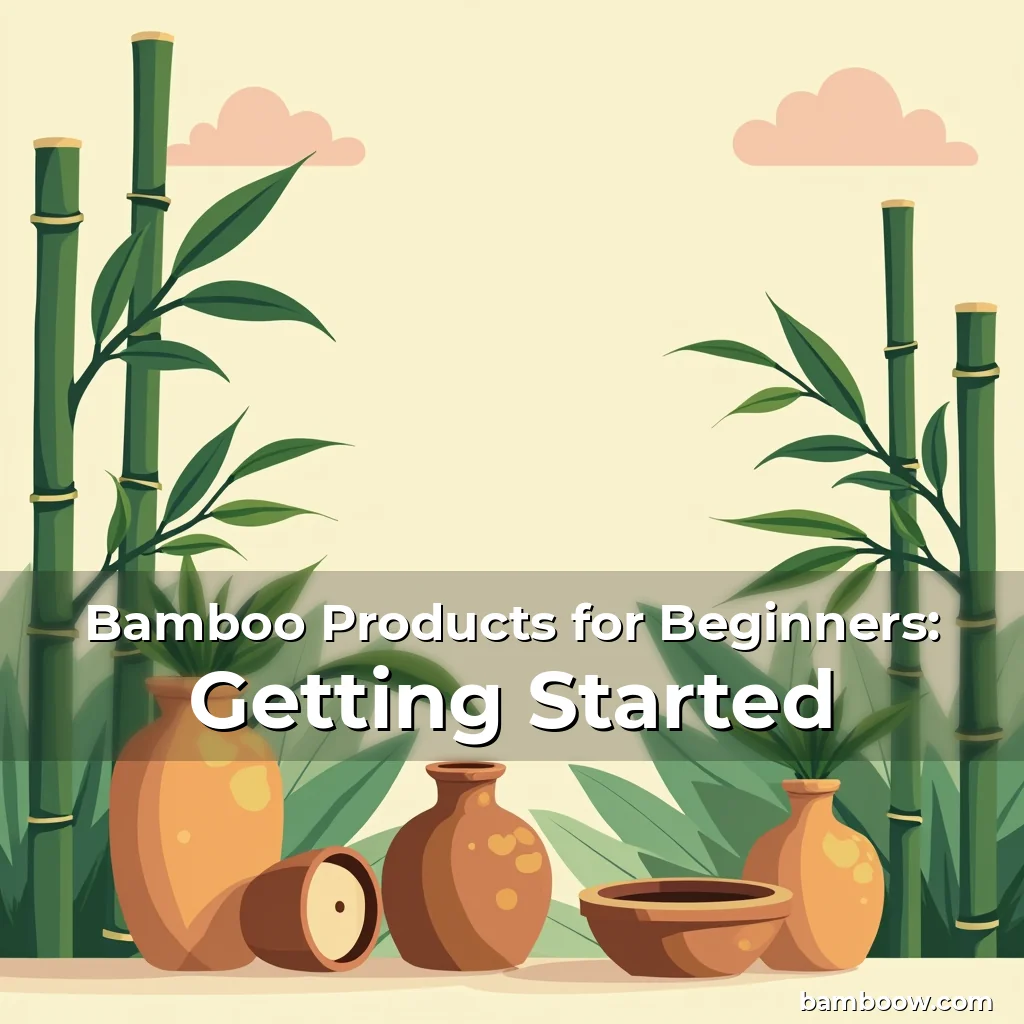
Bamboo Products for Beginners: Getting Started
In recent years, bamboo has emerged as a revolutionary material that is reshaping our world. From sustainable construction to everyday household items, bamboo’s versatility is unmatched.
The growing interest in eco-friendly living has made bamboo an attractive choice for those seeking durable, natural alternatives to conventional materials.
Understanding Bamboo Varieties
Bamboo comes in over 1000 different species, each offering unique characteristics suited for various applications.
Common types include Moso, which is ideal for flooring due to its durability, and Bambusa tulda used frequently in textile production.
Differentiating between these varieties allows consumers to make informed choices based on their needs and preferences.
For example, Guadua angustifolia thrives in tropical climates but may require additional care when cultivated elsewhere.
Knowing your local climate can help determine which bamboo variety will thrive best in your environment.
- Moso: Known for strength and resistance against moisture; commonly used in furniture making.
- Tulsi: Often chosen for its aesthetic appeal rather than structural integrity; popular among artisans.
- Fargesia: A hardy cold-tolerant species suitable for colder regions with less maintenance requirements.
Eco-Friendly Advantages of Using Bamboo
Bamboo plays a crucial role in combating environmental issues by absorbing carbon dioxide at twice the rate of most trees.
This rapid growth cycle means new shoots appear within months compared to decades required by traditional hardwoods.
Choosing bamboo products supports reforestation efforts without depleting existing forest resources.
Additionally, bamboo cultivation typically requires fewer pesticides and fertilizers than other crops.
Sustainable Harvesting Practices
Responsible harvesting ensures continuous regrowth while maintaining ecological balance within forests.
A mature bamboo plant can be selectively cut without killing the entire stalk, allowing for quick recovery periods.
Traditional methods often involve waiting until culms reach full maturity before cutting them down completely.
However, modern techniques allow partial removal so that remaining parts continue growing naturally.
Implementing such practices helps maintain biodiversity along with soil health around planting areas.
It also reduces erosion risks associated with heavy machinery during extraction processes.
Crafting Techniques Used In Making Bamboo Products
Variety of crafting techniques contribute significantly towards creating beautiful functional bamboo items.
Carving remains one of oldest forms where skilled craftsmen shape raw pieces into decorative objects or tools.
Weaving involves intertwining thin strips together meticulously forming intricate patterns seen across many cultures globally.
Pouring molten metal inside hollowed-out sections enables creation of solid structures useful both decoratively and practically.
These diverse approaches highlight how creative possibilities extend beyond mere utilitarian purposes.
Modern innovations now incorporate CNC machining allowing precise cuts even on complex designs previously considered impractical manually.
Combining old-world craftsmanship with contemporary technology opens up endless design opportunities available today.
Types Of Commonly Produced Bamboo Items
Housing sector extensively utilizes bamboo thanks largely because lightweight yet sturdy nature makes it perfect building material.
From flooring options right through roofing solutions there exists wide range application scenarios suitable especially green architecture projects.
Textile industry relies heavily upon processed fibers derived from young tender stalks known collectively as ‘bambus’ fabric type.
Clothing manufacturers appreciate softness combined flexibility offered particularly by certain species grown under controlled conditions.
Bamboo paper represents another significant area wherein pulp obtained after thorough treatment process results high-quality writing surface comparable cellulose-based counterparts.
Packaging industries increasingly adopt biodegradable containers made entirely out of compressed bamboo chips reducing plastic waste considerably.
Gardening enthusiasts enjoy using bamboo stakes or trellises helping support climbing plants while enhancing visual aesthetics simultaneously.
Kitchenware producers create everything ranging utensils spoons ladles knives etc leveraging inherent antibacterial properties present naturally within bamboo structure itself.
Comparing Costs Between Conventional Materials And Bamboo Alternatives
While initial investment might seem higher upfront costs involved producing quality bamboo goods usually offset long term savings realized later on account reduced replacement frequency.
Traditional wood furniture tends degrade faster requiring periodic refinishing whereas well-maintained bamboo counterparts last longer periods time.
Considering lifecycle analysis shows overall lower impact environmentally speaking favoring bamboo over synthetic substitutes whose decomposition rates vary widely depending chemical composition.
Moreover recycling programs currently limited mainly confined urban centers meaning disposal considerations become critical factor determining final purchase decision.
Bamboo offers recyclability features similar metals plastics though exact methodologies still evolving field requiring further research advancements ahead future improvements expected soon enough though.
Risks And Challenges Associated With Bamboo Utilization
Potential drawbacks exist regarding widespread adoption although benefits clearly outweigh negatives especially given current global context emphasizing sustainability concerns pressing issue worldwide today.
One challenge relates improper storage handling leading possible warping shrinkage issues affecting functionality longevity desired outcomes intended purpose usage scenarios alike.
Lack adequate knowledge base sometimes leads people choosing wrong kind product unsuitable particular task resulting frustration disappointment ultimately negative perception surrounding entire category altogether.
Therefore educating oneself thoroughly prior purchasing essential step ensuring satisfaction success achieved end result meets expectations established initially outset journey exploration eco-conscious lifestyles embracing natural materials thoughtfully responsibly.
Additionally some treated versions contain chemicals potentially harmful human health environment hence importance verifying certifications standards met safety assurance provided manufacturer concerned party involved transactional relationship formed consumer producer entity respectively.
Future Trends And Innovations In Bamboo Product Development
Ongoing scientific research continues pushing boundaries expanding potential uses incorporating advanced composites blends reinforcing elements improving mechanical attributes surpassing original capacities formerly possessed native state unmodified condition thereof.
Nanotechnology integration promises enhanced performance characteristics including increased tensile strength decreased weight factors contributing positively toward broader acceptance commercial viability sectors demanding rigorous specifications compliance stringent regulations imposed governing bodies overseeing industrial operations activities occurring daily basis contemporary society.
Bioplastics derived wholly organic sources represent exciting frontier promising eventual phase out fossil fuel dependent polymers gradually transitioning cleaner greener alternatives aligned planetary goals sustainability pursued actively numerous nations organizations working tirelessly achieve targets set forth internationally recognized agreements protocols signed ratified multilateral platforms facilitating cooperation action across borders geographies demographics encompassing globe whole.
As demand grows continuously evolving landscape creates opportunities entrepreneurs innovators passionate transforming ideas realities shaping tomorrow’s market place driven creativity ingenuity commitment preserving earth legacy留给后代子孙享用。
Conclusion
Bamboo stands as a testament to nature’s ingenuity providing viable solution addressing multifaceted challenges faced humanity today concerning resource depletion pollution degradation ecosystems habitats wildlife communities affected adversely unchecked exploitation unsustainable consumption practices rampant throughout history civilization development progress.
By integrating bamboo products into our lives we take meaningful steps toward forging resilient societies capable thriving harmoniously alongside planet nurturing mutual respect reverence understanding intrinsic value interconnected web life supporting existence perpetually.


news is a contributor at BamBoow. We are committed to providing well-researched, accurate, and valuable content to our readers.
You May Also Like


Bamboo conference in Diktel : A feather in the cap of the local government
The floods have been a recurring theme in the region's history, with the most recent one being the most destructive.The...
Bamboo Products Best Practices 2025
Bamboo Products Best Practices 2025 In an era where sustainability is no longer optional but essential, bamboo has emerged as...

How to Choose Bamboo Products: Expert Guide
The Green Revolution: Embracing Sustainable Bamboo Products for Everyday Life In an era where environmental consciousness shapes consumer choices, bamboo...

Quick Bamboo Products Solutions Under 30 Minutes
Quick Bamboo Products Solutions Under 30 Minutes Bamboo has emerged as a revolutionary material in modern living, offering sustainable solutions...