


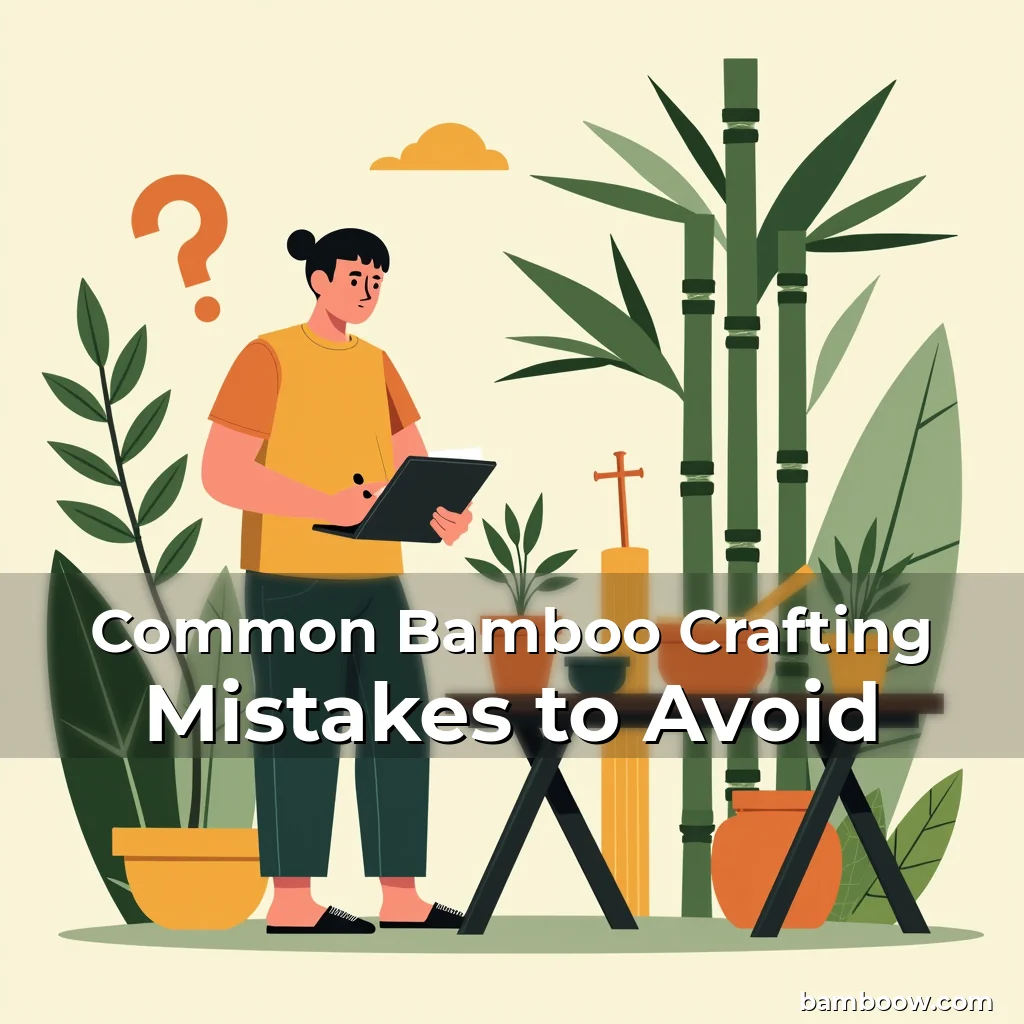
The Artistry Behind Common Bamboo Crafting Mistakes to Avoid
Bamboo crafting is an ancient art form that has captivated artisans around the world for centuries. From intricate furniture pieces to delicate decorative items, bamboo offers unparalleled versatility and beauty.
Despite its many advantages, beginners often make common mistakes when embarking on their bamboo crafting journey. These errors can range from improper cutting techniques to inadequate finishing methods.
Inadequate Preparation of Materials
A frequent mistake among new craftsmen is skipping essential preparation steps before working with bamboo. This includes failing to properly condition the material prior to any shaping process.
Proper conditioning involves soaking the bamboo in water overnight. This softens the fibers and prevents cracking during carving operations.
Failing to dry the bamboo adequately after soaking can lead to warping later on. It’s crucial to allow sufficient time for natural drying in a well-ventilated area.
Artisans who neglect these preparatory measures may end up with brittle workpieces that are prone to splitting under minimal pressure.
- Soak bamboo thoroughly: At least 6 hours of submersion ensures uniform moisture distribution.
- Dry completely: Patience here pays off; rushing this step compromises structural integrity.
Investing time in thorough preparation sets the foundation for successful bamboo projects. Well-prepared materials respond better to tools and techniques.
Incorrect Tool Selection
Selecting inappropriate tools significantly impacts the quality of finished products. Many novice crafters use standard woodworking chisels meant for hardwoods instead of specialized bamboo carving tools.
Hardwood chisels lack the fine edges required for precise bamboo detailing. They tend to gouge rather than carve smoothly along the grain.
Specialized bamboo carving knives feature razor-sharp blades designed specifically for the fibrous nature of bamboo stalks.
Using incorrect tools increases the risk of creating uneven surfaces and damaging the delicate structure of the material.
- Use micro-carving tools: These provide greater control over intricate patterns and shapes.
- Choose appropriate blade types: Different angles serve various purposes in bamboo engraving.
Professionals emphasize the importance of tool selection as fundamental to achieving professional results in bamboo craftsmanship.
Mishandling Cutting Techniques
Improper cutting techniques frequently result in unsightly splinters and compromised structural integrity. A common error occurs when making cuts against the direction of the bamboo’s growth rings.
Cutting across the grain creates rough textures and weak points where the material might break unexpectedly. Always align your cuts parallel to the lengthwise grain pattern.
Experienced carvers recommend using long, smooth strokes while maintaining steady hand movements. Jerky motions increase the likelihood of surface imperfections.
Keeping the knife at a consistent angle throughout each cut helps maintain even depth and clean lines without unnecessary force.
- Align cuts with grain: Following the natural orientation strengthens final product durability.
- Use controlled motion: Steady hands produce cleaner, more accurate cuts every time.
Mastering correct cutting practices enhances both aesthetic appeal and functional longevity of crafted items made from bamboo.
Overlooking Structural Reinforcement Needs
Many craftspeople underestimate how critical reinforcement becomes when constructing larger or more complex designs. Neglecting this aspect leads to fragile creations that fail prematurely.
Structural reinforcements such as internal supports or external bracing become necessary when building anything beyond simple decorative objects.
For example, creating a bamboo chair requires careful placement of cross-support beams within the frame construction.
Failure to incorporate adequate support structures risks collapse or deformation due to everyday use stresses placed upon them.
- Add cross braces: Especially vital in load-bearing components like chairs and tables.
- Use metal connectors: Provide extra strength at joints without compromising visual aesthetics.
Understanding when and where to apply reinforcing elements transforms basic bamboo constructions into durable household fixtures.
Insufficient Finishing Methods
One of the most overlooked areas in bamboo crafting relates to proper finishing treatments. Incomplete or rushed finishes leave artworks vulnerable to environmental damage over time.
Applying only a single coat of sealant proves insufficient protection against humidity fluctuations which cause expansion/contraction cycles.
Multiple layers of clear varnish applied evenly offer superior defense against moisture penetration through microscopic pores in the wood.
Sanding between coats ensures optimal adhesion and produces smoother overall surfaces ready for display or use.
- Apply 3+ protective coatings: Creates a robust barrier against weathering effects.
- Sand progressively finer grits: Achieves glass-like smoothness ideal for polished finishes.
Thoroughly executed finishing procedures preserve the natural luster of bamboo while extending its lifespan considerably.
Ignoring Natural Material Properties
Each piece of bamboo possesses inherent characteristics influenced by factors like age, growing conditions, and species type. Disregarding these properties leads to mismatched expectations regarding performance capabilities.
Tropical bamboo varieties differ greatly from temperate zone counterparts in terms of density, flexibility, and shrinkage tendencies.
Older culms exhibit tighter grain formations compared to younger ones harvested earlier in their development cycle.
Recognizing these differences allows craftsmen to select appropriately suited stocks based on intended project requirements.
- Test sample pieces first: Helps determine suitability for planned applications ahead of full-scale production.
- Consult regional experts: Local knowledge provides invaluable guidance about available stock qualities.
Respecting the intrinsic attributes of raw materials enables creation of works that harmonize functionally and aesthetically with their chosen medium.
Lack of Proper Storage Practices
Poor storage habits negatively affect both newly completed projects and unused stock inventory alike. Storing improperly cured bamboo exposes it to mold infestations and insect attacks.
Moisture-laden environments accelerate decay processes within untreated bamboo specimens. Keeping supplies elevated above ground level minimizes fungal growth risks.
Regular inspection routines help identify early signs of deterioration before they progress into irreparable damage states.
Utilizing breathable containers lined with desiccants maintains stable humidity levels inside storage spaces effectively.
- Elevate stored materials: Prevents direct contact with damp earth floors promoting rotting conditions.
- Monitor regularly: Early detection saves future restoration efforts down the line.
Implementing sound storage protocols preserves the value and usability of bamboo resources across extended periods.
Neglecting Safety Precautions
Safety considerations often take backseat during creative sessions focused solely on artistic expression. However, ignoring personal safety protocols poses serious injury risks especially when handling sharp instruments.
Wearing eye protection shields against flying debris generated during cutting operations involving power tools or manual knives alike.
Gloved hands protect sensitive skin from abrasive surfaces encountered during sanding phases of processing stages.
Securing workspaces free from clutter reduces tripping hazards associated with misplaced equipment parts scattered about randomly.
- Always wear PPE gear: Eye goggles & gloves form minimum essential protective ensemble.
- Organize workspace carefully: Keeps surroundings safe for both people and materials involved.
Establishing good safety habits right from beginning cultivates sustainable practice patterns beneficial throughout entire career spans engaged in bamboo arts.
Conclusion
By avoiding these common pitfalls in bamboo crafting, artisans can elevate their skills and create remarkable works that showcase the true potential of this versatile material.
Embracing best practices—from meticulous preparation to diligent maintenance—ensures enduring success stories within the ever-evolving realm of bamboo craftsmanship.


news is a contributor at BamBoow. We are committed to providing well-researched, accurate, and valuable content to our readers.
You May Also Like

Quick Bamboo Crafting Solutions Under 30 Minutes
Quick Bamboo Crafting Solutions Under 30 Minutes Bamboo crafting has emerged as a popular trend among artisans and DIY enthusiasts...

Bamboo Crafting vs Alternatives: Complete Comparison
Bamboo Crafting vs Alternatives: Complete Comparison In recent years, bamboo crafting has emerged as a sustainable and innovative art form,...

How to Choose Bamboo Crafting: Expert Guide
The Art and Craft of Bamboo: A Comprehensive Journey Through Tradition and Innovation Bamboo has long been revered across cultures...

Best Bamboo Crafting Tips and Strategies
Selecting Quality Bamboo for Your Projects Choosing the right bamboo is the foundation of successful crafting. Look for straight, unblemished...