


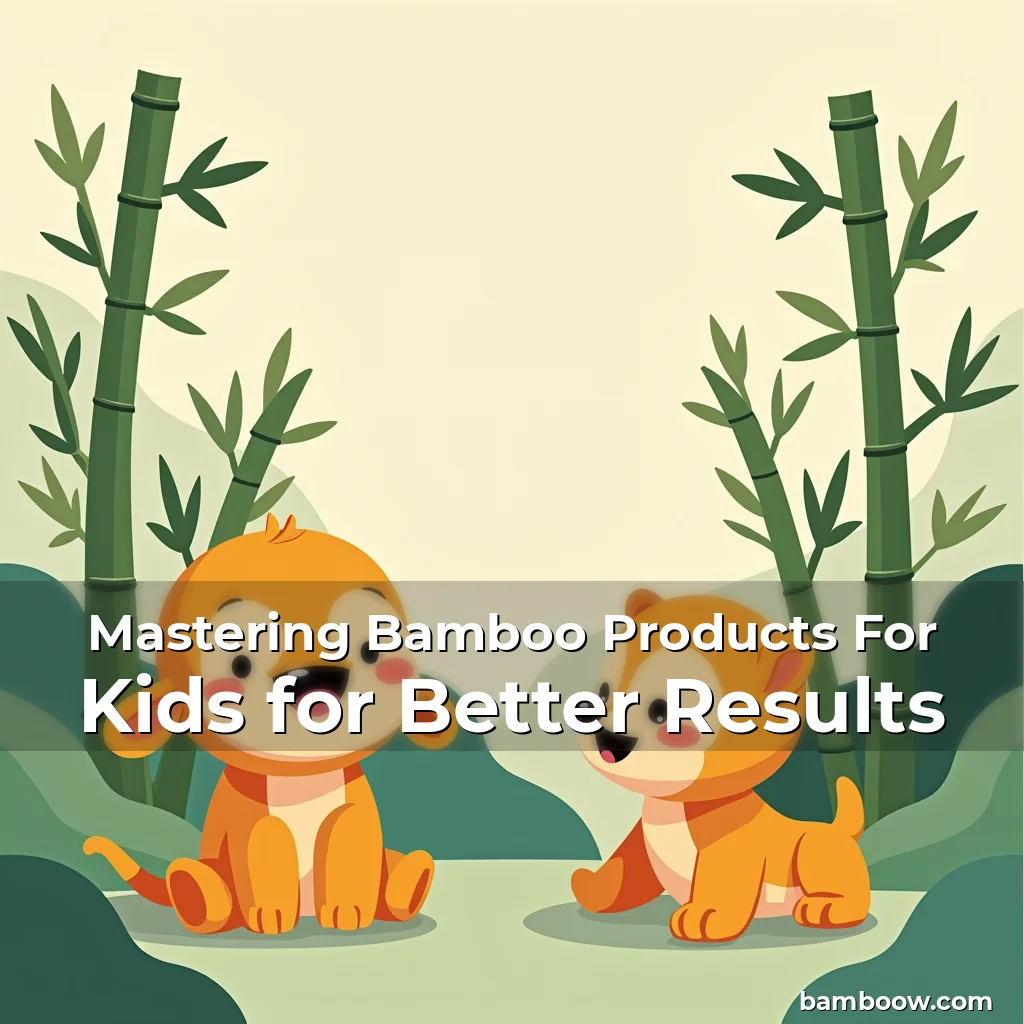
Eco-Friendly Adventures: Exploring Bamboo Products Designed for Kids
Bamboo products for kids offer a perfect blend of sustainability, safety, and style. As awareness grows about environmental impact, families are seeking alternatives to conventional materials, and bamboo stands out as a versatile solution.
This guide dives deep into the world of bamboo-based essentials tailored for children—from toys and furniture to clothing and learning tools. Discover how this fast-growing plant reshapes parenting practices while nurturing the planet.
The Science Behind Bamboo’s Appeal for Children’s Products
Bamboo’s rapid growth cycle makes it a renewable resource unlike most hardwoods. It reaches maturity in 3–5 years compared to decades for oak or maple. This quick regeneration reduces deforestation pressures, making it an ethical choice for conscious consumers.
Beyond sustainability, bamboo’s inherent qualities suit children’s needs. Its lightweight yet durable nature ensures products remain sturdy during active play, while its smooth surface minimizes injury risks.
Additionally, bamboo contains natural silica, which strengthens fibers without chemical treatments. This property allows for safer manufacturing processes, avoiding harmful toxins often found in synthetic materials.
- Sustainability: Bamboo absorbs CO₂ up to 35% more than equivalent forest areas, acting as a carbon sink.
- Allergen-Free: Unlike synthetic fabrics, bamboo textiles resist dust mites and mold, crucial for sensitive skin.
Top Categories of Bamboo Products for Kids
From educational tools to sleepwear, bamboo products span diverse uses. Toys, furniture, and apparel dominate popularity due to their functional appeal and eco credentials.
Toys crafted from bamboo provide sensory stimulation through texture and weight. Puzzle sets, building blocks, and musical instruments leverage the material’s strength and warmth, offering tactile experiences that plastics lack.
Furniture pieces like beds, chairs, and storage units showcase bamboo’s versatility. These designs combine minimalist aesthetics with ergonomic support, adapting easily to evolving family spaces.
For everyday wear, bamboo fabric diapers, onesies, and socks stand out. Their breathability and softness rival cotton while reducing laundry frequency—a win for busy parents.
Health Benefits of Bamboo in Childcare Essentials
Bamboo’s antibacterial properties make it ideal for baby products. Studies show it inhibits E. coli and Staphylococcus aureus growth naturally, eliminating the need for harsh disinfectants.
Bamboo-infused wipes and cleaning cloths replace single-use paper towels. Their biodegradability aligns with zero-waste lifestyles, while their absorbency handles messes efficiently.
Dental tools like toothbrushes and floss picks made from bamboo reduce plastic waste. Their compostable ends decompose fully, supporting circular economy principles.
Educational Value Through Bamboo-Based Play
Interactive bamboo kits introduce STEM concepts to young minds. Kits for growing bamboo plants or crafting miniature ecosystems foster curiosity about botany and ecology.
Craft projects involving bamboo sticks encourage creativity and fine motor skills. Activities like weaving mats or constructing birdhouses integrate cultural education with hands-on learning.
Literacy tools such as storybooks with bamboo covers promote environmental awareness. Stories centered on bamboo forests teach lessons about conservation and interdependence.
Design Innovations Shaping Modern Bamboo Products
Contemporary designers prioritize functionality without sacrificing flair. Modular bamboo cribs feature adjustable bases that adapt to developmental stages, merging utility with elegant lines.
Customizable bamboo backpacks allow personalization through engraved names or interchangeable patches. This fosters individuality while reinforcing the product’s longevity.
Smart integration emerges in tech accessories like bamboo phone holders. These items merge digital convenience with ecological responsibility, appealing to tech-savvy parents.
Comparative Analysis: Bamboo vs. Traditional Materials
While organic cotton remains popular, bamboo requires less water and pesticides. Cotton cultivation demands approximately 2,700 liters of water per shirt, whereas bamboo thrives on rainwater alone.
Polyester alternatives pose microplastic pollution risks when washed. In contrast, bamboo fabric sheds minimal particles, preserving aquatic ecosystems.
Metal products, though durable, risk corrosion over time. Bamboo’s natural resistance to moisture ensures longer lifespan without rust concerns.
Practical Tips for Choosing Quality Bamboo Products
Look for FSC certification to verify responsible sourcing. Reputable brands often highlight transparency regarding harvesting methods and processing techniques.
Inspect joints and seams for reinforced construction. Well-crafted products use metal brackets or glued connections instead of weak adhesives that may degrade quickly.
Consider maintenance ease. While bamboo resists stains, periodic oiling preserves luster and prevents cracking in humid climates.
- Price Point: Higher initial costs reflect superior craftsmanship; view this as investment in long-term durability.
- User Reviews: Check forums for feedback on product performance, especially for frequently used items like highchairs or toddler beds.
Fostering Sustainable Habits Through Early Exposure
Introducing bamboo products early instills eco-awareness in children. When toddlers see their belongings made from renewable resources, they begin associating green choices with normalcy.
Parents can reinforce these values through storytelling. Share tales about bamboo’s role in ancient civilizations or its current significance in global reforestation efforts.
Involving kids in product selection teaches decision-making skills. Allow them to pick between bamboo and plastic options, fostering critical thinking about environmental trade-offs.
The Future of Bamboo Innovation in Children’s Markets
Advancements in nanotechnology enhance bamboo’s properties further. Researchers now engineer surfaces that repel spills instantly, expanding applications beyond traditional sectors.
Biodegradable electronics emerge as next-gen innovations. Bamboo cases for tablets and phones dissolve harmlessly after disposal, addressing e-waste challenges.
Collaborations between designers and scientists drive breakthroughs. Imagine bamboo-powered sensors that monitor indoor air quality or track humidity levels in nurseries automatically.
Community Impact: Supporting Ethical Manufacturing Practices
Purchasing certified bamboo goods supports fair labor standards globally. Many producers operate cooperatives where artisans receive equitable wages and safe working conditions.
Local initiatives thrive through bamboo economies. Communities involved in bamboo farming gain economic stability while protecting biodiversity hotspots from industrial encroachment.
Consumer demand fuels innovation in sustainable production. As more people choose bamboo, manufacturers invest in R&D to create even greener solutions, driving industry-wide change.
Conclusion
Bamboo products for kids represent a transformative shift toward mindful consumption. By choosing these alternatives, families empower themselves and future generations to live sustainably without compromising comfort or quality.
Embrace the journey today—explore curated collections online or visit local stores specializing in eco-products. Every bamboo toy purchased, every bamboo garment worn, contributes to a healthier planet and a brighter tomorrow for children worldwide.


news is a contributor at BamBoow. We are committed to providing well-researched, accurate, and valuable content to our readers.
You May Also Like

Renewable Resources vs Alternatives: Complete Comparison
Renewable Resources vs Alternatives: Complete Comparison In an era where climate change looms as one of humanity's greatest challenges, understanding...
Best Renewable Resources Tips and Strategies
Revolutionizing Sustainability Through Innovative Renewable Resource Utilization The global shift towards sustainable living has brought renewable resources to the forefront...
Renewable Resources for Beginners: Getting Started
Renewable Resources for Beginners: Getting Started Renewable resources are natural energy sources that can replenish themselves over time, offering sustainable...
Quick Bamboo For Home Decor Solutions Under 30 Minutes
Quick Bamboo For Home Decor Solutions Under 30 Minutes Bamboo has emerged as a revolutionary material for modern home decor,...