


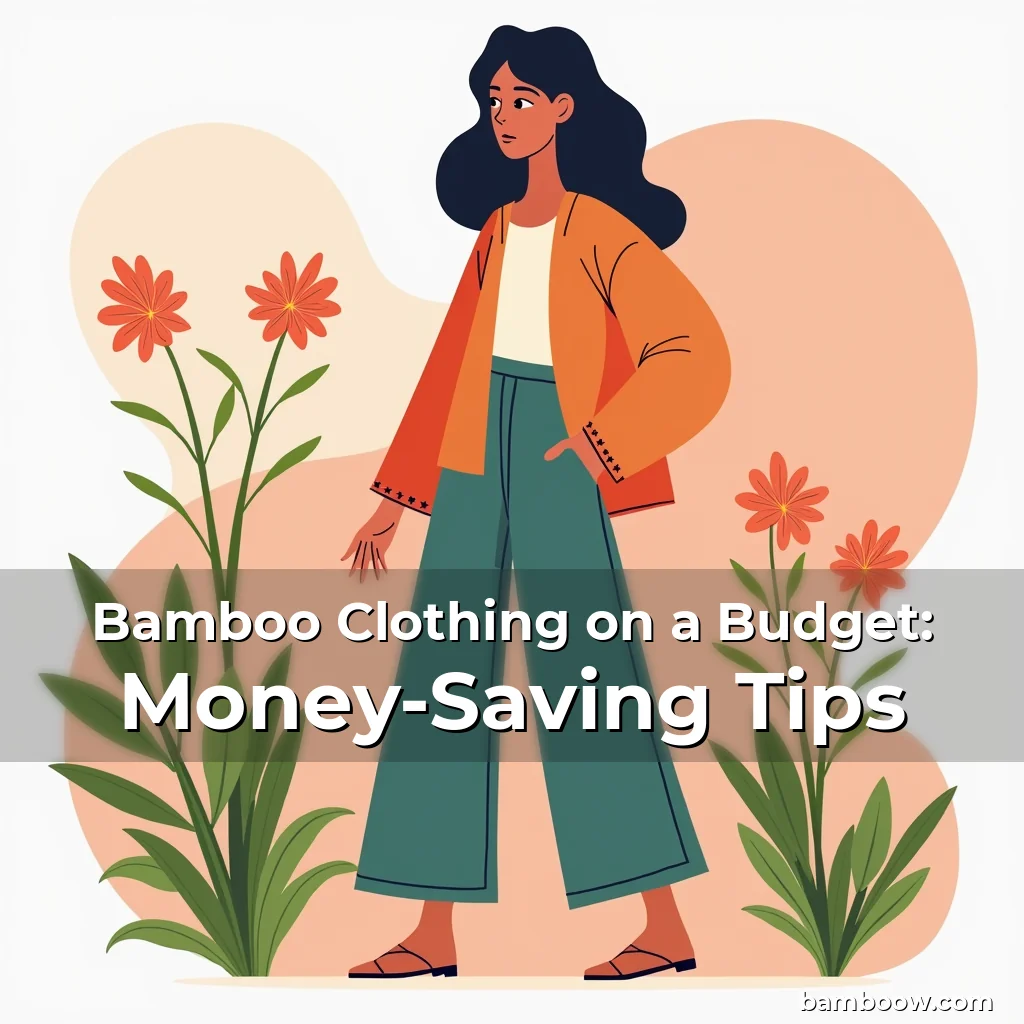
Bamboo Clothing on a Budget: Money-Saving Tips
In recent years, bamboo clothing has gained popularity among eco-conscious consumers seeking sustainable alternatives to traditional fabrics. Known for its softness, breathability, and biodegradability, bamboo fiber offers a compelling option for those looking to reduce their carbon footprint without compromising style.
The rising demand for ethical fashion has made bamboo clothing accessible to budget-friendly shoppers who want to support environmentally responsible practices. By understanding the nuances of bamboo fabric production and shopping strategically, you can enjoy high-quality garments at affordable prices.
The Rise of Bamboo Fabric in Sustainable Fashion
Bamboo fabric has emerged as a leading contender in the green textile movement due to its renewable nature and minimal environmental impact compared to cotton or synthetic fibers. Unlike conventional crops, bamboo grows rapidly without requiring pesticides or excessive water, making it a highly efficient resource.
Manufacturers often highlight bamboo’s natural antibacterial properties, which make it ideal for activewear, bedding, and everyday apparel. These attributes contribute to its appeal among health-focused individuals and families seeking hypoallergenic materials.
The global market for bamboo textiles is projected to grow significantly over the next decade, driven by consumer awareness of fast fashion’s negative consequences. This trend positions bamboo clothing as both an investment in personal well-being and a contribution to planetary sustainability.
How Bamboo Clothing Compares to Other Eco-Friendly Fabrics
Bamboo fabric competes closely with organic cotton, hemp, and recycled polyester in terms of sustainability credentials. However, its unique combination of softness, moisture-wicking ability, and thermal regulation sets it apart from many competitors.
While organic cotton requires extensive irrigation, bamboo thrives in diverse climates with minimal input. Additionally, bamboo processing methods have improved to address past criticisms regarding chemical usage during manufacturing.
- Softness: Bamboo fiber is naturally smoother than wool or even cashmere, reducing skin irritation for sensitive wearers.
- Durability: Properly processed bamboo fabric resists pilling and maintains shape better than many synthetics over time.
- Eco-Friendliness: Bamboo regenerates quickly after harvesting, unlike slower-growing plants used in traditional textiles.
Money-Saving Strategies for Buying Bamboo Clothing
Prioritizing quality over quantity helps maximize your investment in bamboo clothing. Opting for garments made from 100% bamboo rather than blends ensures longevity and performance consistency.
Shopping during seasonal sales events or subscribing to newsletters from trusted brands increases opportunities to acquire discounted items. Many online retailers offer periodic promotions for first-time buyers or returning customers.
Supporting local artisans who produce handmade bamboo garments may yield superior craftsmanship at competitive prices. Handwoven pieces often feature intricate designs unavailable through mass-market producers.
Understanding Bamboo Fabric Production Processes
Two primary methods exist for converting bamboo into wearable fabric: mechanical and chemical processes. Mechanical techniques preserve more natural qualities but result in coarser textures suitable primarily for industrial applications.
Chemical-based methods involve dissolving bamboo pulp into a viscose solution, which is then spun into yarn. While efficient, this approach raises concerns about toxic runoff management in certain facilities.
Recent innovations now allow for closed-loop systems that capture and reuse chemicals safely. Brands utilizing these advanced technologies typically disclose their processes transparently to build trust with conscious consumers.
Tips for Identifying High-Quality Bamboo Products
Always check product labels for certifications like Oeko-Tex Standard 100 or Global Recycled Standard, which verify safety and sustainability claims. Avoid vague marketing terms without verifiable evidence behind them.
Examine thread counts and weave densities; higher numbers generally indicate finer finishes and greater resilience against stretching or tearing. A simple tug test can also reveal whether fabric feels tightly woven versus loosely constructed.
Research brand reputations through independent reviews and third-party assessments before purchasing. Established companies with long histories demonstrate commitment to consistent quality standards.
Care Instructions That Extend the Life of Bamboo Garments
Washing bamboo clothing in cold water prevents color fading and maintains fabric integrity. Using mild detergents free from bleach or harsh enzymes protects delicate fibers from degradation.
Avoid placing bamboo garments in dryers whenever possible; air drying preserves elasticity and reduces risk of shrinkage. If forced to use heat, select low temperatures settings recommended specifically for natural fibers.
Folding instead of hanging stored bamboo items minimizes creasing issues caused by prolonged exposure to tension forces. Storing folded pieces within breathable garment bags further safeguards against moths and dust accumulation.
Styling Options for Different Occasions with Bamboo Clothing
Bamboo clothing adapts effortlessly across casual and formal contexts thanks to its versatile drape and subtle sheen. Lightweight tunics pair beautifully with denim skirts for relaxed weekend outings, while structured blazers create polished office ensembles.
Layering bamboo scarves around necklines adds dimensionality to basic tees without overwhelming visual balance. Experimenting with accessories like belts or statement jewelry enhances outfits created from minimalist base layers.
For evening engagements, opt for silk-blend bamboo dresses featuring intricate embroidery or lace detailing. Such combinations achieve elegance without sacrificing comfort associated with pure bamboo compositions.
Community Insights and Real-Life Experiences Sharing Bamboo Clothing Benefits
Many users report experiencing fewer allergic reactions when switching to bamboo bedding products compared to traditional cotton sheets. This benefit extends similarly to apparel worn close to the skin daily.
Motherhood blogs frequently recommend bamboo onesies for newborns due to their ultra-soft touch and ease of cleaning. Pediatricians sometimes suggest this material as part of therapeutic treatments for children prone to eczema flare-ups.
Outdoor enthusiasts praise bamboo hiking pants for keeping legs cool during summer treks yet providing insulation during cooler mornings. Their quick-drying characteristics prevent discomfort caused by sweat buildup.
Future Trends Shaping the Bamboo Clothing Industry
Advancements in nanotechnology promise self-cleaning capabilities integrated into upcoming bamboo fabric lines. Researchers experiment with embedding antimicrobial agents directly into fibers during production stages.
Smart textile developers envision incorporating temperature-regulating features into bamboo garments via microencapsulation technology. Future iterations could automatically adjust warmth levels based on ambient conditions sensed through embedded sensors.
Growing emphasis on circular economy principles drives initiatives toward creating fully recyclable bamboo clothing. Innovators work diligently to establish take-back programs allowing old garments to be transformed back into new raw material supplies seamlessly.
Conclusion
Bamboo clothing represents a powerful convergence of ecological responsibility and functional design that caters perfectly to modern lifestyles. Its numerous advantages—from reduced environmental harm to enhanced personal comfort—justify careful consideration as part of any wardrobe refresh strategy.
To begin exploring bamboo clothing options wisely, start by identifying essential basics that align with your most frequent activities. Gradually expand your collection according to emerging preferences while remaining mindful of long-term value propositions offered by durable, ethically produced garments.


news is a contributor at BamBoow. We are committed to providing well-researched, accurate, and valuable content to our readers.
You May Also Like

Bamboo Clothing Step-by-Step Tutorial
Bamboo Clothing Step-by-Step Tutorial Bamboo clothing has emerged as a revolutionary alternative to traditional textiles, blending eco-friendliness with remarkable performance....
Bamboo Clothing for Beginners: Getting Started
Bamboo Clothing for Beginners: Getting Started Bamboo clothing is revolutionizing the world of sustainable fashion, offering a blend of style,...
Quick Bamboo Clothing Solutions Under 30 Minutes
The Future of Fashion: Exploring Sustainable Bamboo Clothing Bamboo clothing has emerged as a revolutionary alternative to traditional fabrics, offering...
Bamboo Clothing for Small Spaces
How Bamboo Becomes Textile: A Sustainable Transformation Transforming bamboo into fabric involves several steps, beginning with the mechanical or chemical...