


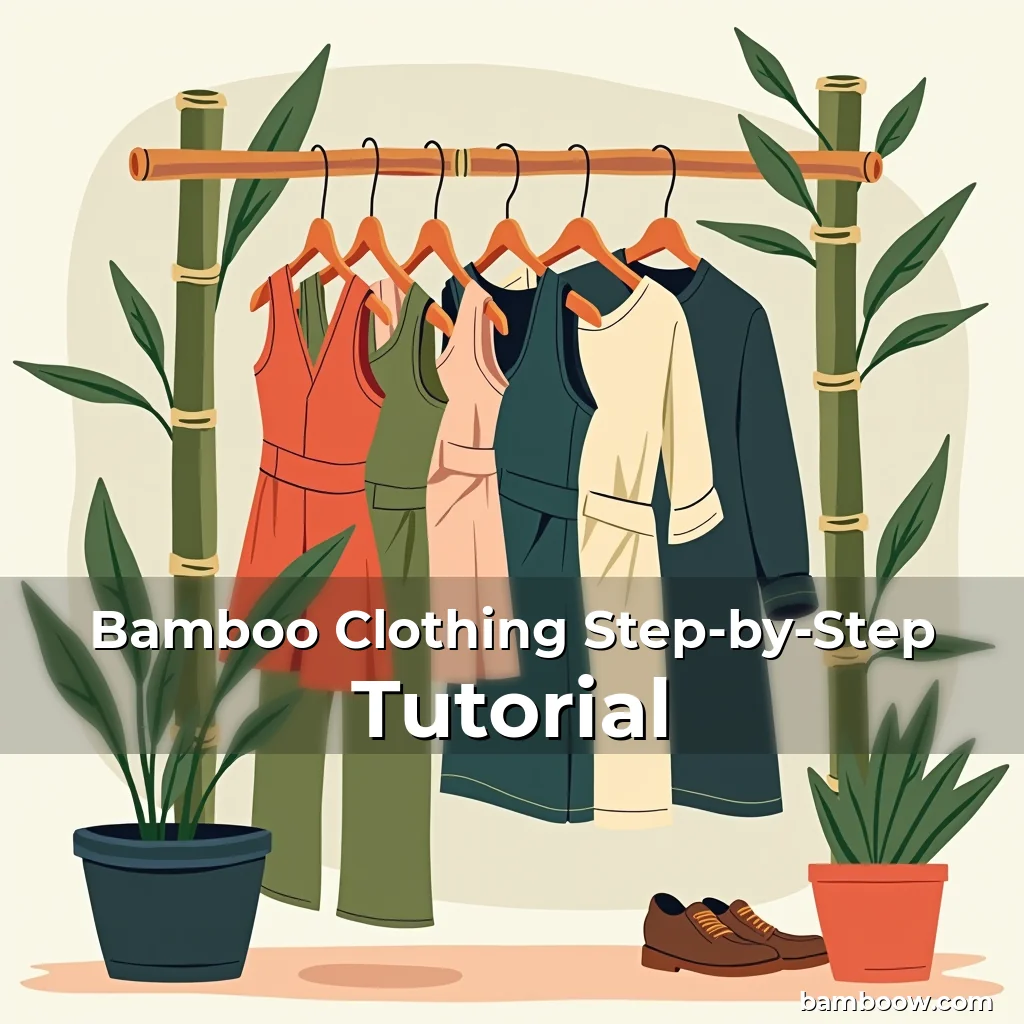
Bamboo Clothing Step-by-Step Tutorial
Bamboo clothing has emerged as a revolutionary alternative to traditional textiles, blending eco-friendliness with remarkable performance. This guide explores everything you need to know about bamboo fabric—from its origins to its practical applications.
The rise of sustainable fashion has placed bamboo clothing at the forefront of innovation, offering a biodegradable, soft, and versatile option for everyday wear. Understanding its full potential begins with examining its creation and benefits.
What Is Bamboo Clothing?
Bamboo clothing refers to apparel made from fabric derived from bamboo plants, primarily processed through mechanical or chemical methods. Unlike cotton, which relies heavily on water and pesticides, bamboo grows rapidly and naturally replenishes itself.
The versatility of bamboo fibers makes them suitable for various garment types, from t-shirts to activewear. Their natural antimicrobial properties also reduce odors, making them ideal for high-performance clothing.
- Natural Growth: Bamboo thrives without synthetic fertilizers or excessive irrigation, reducing its ecological footprint significantly.
- Fiber Quality: The plant’s hollow stalks yield long, smooth fibers that are softer than silk and more durable than wool when properly processed.
How Is Bamboo Fabric Made?
The journey from bamboo stalk to wearable fabric involves several stages, beginning with harvesting mature culms. These are then broken down into pulp through either mechanical grinding or chemical treatments.
After pulping, the material undergoes spinning to create yarn, which is woven or knitted into fabric. Mechanical processing preserves more of the fiber’s natural qualities, while chemical methods may enhance texture and color retention.
Mechanical vs. Chemical Processing
Mechanical extraction uses physical force to separate fibers, resulting in a less refined product but maintaining the integrity of the bamboo’s natural compounds. This method is preferred by environmentally conscious manufacturers seeking minimal chemical use.
Chemical processing employs solvents like sodium hydroxide to break down the cellulose in bamboo stalks. While efficient, this method raises concerns due to the release of harmful byproducts during production.
Environmental Benefits of Bamboo Clothing
Bamboo clothing stands out for its low environmental impact compared to conventional fabrics. It requires far less water to grow and produces oxygen rather than consuming it, contributing positively to air quality.
Additionally, bamboo fields support biodiversity by providing habitats for insects and small animals. Its rapid regrowth cycle ensures continuous availability without depleting natural resources.
- Water Conservation: Producing one kilogram of bamboo fiber consumes approximately 18 gallons of water, versus 60–90 gallons for cotton.
- Pesticide-Free: Bamboo’s natural resistance to pests eliminates the need for toxic chemicals, safeguarding ecosystems and human health.
Comfort and Performance Features
Bamboo fabric excels in comfort, offering a silky-smooth feel against the skin and superior moisture-wicking capabilities. It absorbs sweat efficiently, keeping wearers cool even in hot climates.
Its thermoregulating properties help maintain body temperature year-round, making it adaptable to both warm and cold weather conditions. This adaptability extends its usability across different seasons and activities.
Softness Over Time
Unlike many synthetic materials that degrade quickly, bamboo fabric becomes progressively softer with each wash. This characteristic enhances durability and reduces the frequency of replacements.
Moreover, the fabric’s inherent antibacterial nature prevents odor buildup, extending the time between launderings without compromising freshness or hygiene standards.
Care Instructions for Bamboo Clothing
To preserve the longevity and appearance of bamboo garments, gentle washing is recommended. Machine washing in cold water with mild detergents minimizes damage to the fibers and retains their softness.
Avoiding bleach and harsh enzymes protects the fabric’s structural integrity. Handwashing is preferable for delicate items, though modern detergents designed for bamboo can provide adequate cleaning power without excessive friction.
- Drying Tips: Air drying instead of using dryers prevents shrinkage and fiber degradation. If using a dryer, select a low heat setting to avoid damaging the textile.
- Ironing Guidelines: Iron on medium heat settings, preferably with steam, to remove wrinkles without melting or scorching the fabric surface.
Current Market Trends in Bamboo Fashion
Bamboo clothing has gained traction globally, driven by increasing demand for sustainable alternatives. Major retailers now feature dedicated lines of bamboo-based products alongside organic cotton and recycled polyester options.
Innovative designs incorporate bamboo blends with other materials like hemp or Tencel™ to optimize strength and drape characteristics. Luxury brands are particularly embracing bamboo for its premium aesthetic appeal and ethical credentials.
Growing Consumer Awareness
Surveys indicate rising consumer interest in eco-friendly attire, with 68% of shoppers willing to pay a slight premium for sustainable fabrics according to recent market research reports.
E-commerce platforms specializing in green living have seen exponential growth, underscoring shifting preferences toward transparency in sourcing and manufacturing practices.
Challenges Facing Bamboo Clothing Production
Despite its advantages, scaling up bamboo clothing production faces hurdles related to supply chain management and cost efficiency. Cultivating sufficient quantities requires extensive land areas, which may compete with food crop cultivation zones.
Furthermore, inconsistencies in processing techniques affect the uniformity of final products. Ensuring consistent quality remains challenging amid variations in raw material composition and treatment protocols.
- Regulatory Hurdles: Certifications such as OEKO-TEX® or Global Organic Textile Standard (GOTS) impose rigorous testing criteria that increase overhead costs for manufacturers.
- Consumer Misinformation: Some consumers confuse bamboo fabric with rayon or viscose, leading to skepticism about authenticity and true sustainability claims.
The Future Outlook for Bamboo Clothing
Advancements in biotechnology promise breakthroughs in enhancing bamboo yields and improving fiber properties. Researchers are exploring genetic modifications aimed at accelerating maturation cycles and boosting resilience against diseases.
Collaborations between academia and industry leaders signal promising developments in scalable, closed-loop systems that minimize waste generation throughout production phases. Such initiatives align well with circular economy principles gaining momentum worldwide.
Technological Innovations
New nanotechnology applications aim to reinforce bamboo fibers without altering their natural attributes. These innovations could lead to stronger, lighter-weight materials suitable for technical outdoor gear and sportswear markets.
Smart textiles incorporating conductive threads spun from modified bamboo offer exciting possibilities in wearable technology integration, merging functionality with style seamlessly.
Choosing Ethical Bamboo Brands
Selecting reputable brands committed to ethical practices ensures your purchase supports responsible manufacturing. Look for companies transparent about their sourcing policies and labor conditions involved in production chains.
Veteran organizations often publish detailed reports outlining their environmental impact assessments and social responsibility efforts. Engaging with customer reviews provides insight into real-world experiences with particular brands’ offerings.
- Look for Certifications: Authentic certifications like Fair Trade Certified™ verify adherence to fair wages and safe working environments.
- Research Manufacturing Origins: Companies originating from regions known for strong worker protections tend to uphold higher ethical standards consistently.
Conclusion
Bamboo clothing represents a compelling choice for those prioritizing sustainability without sacrificing comfort or aesthetics. By understanding its production nuances and care requirements, individuals can confidently integrate it into their wardrobes responsibly.
As global consciousness around climate change intensifies, adopting bamboo-based textiles becomes increasingly vital. Supporting certified producers contributes meaningfully towards fostering greener industries rooted in respect for planetary boundaries.


news is a contributor at BamBoow. We are committed to providing well-researched, accurate, and valuable content to our readers.
You May Also Like

Bamboo Clothing for Beginners: Getting Started
Bamboo Clothing for Beginners: Getting Started Bamboo clothing is revolutionizing the world of sustainable fashion, offering a blend of style,...
Bamboo Clothing on a Budget: Money-Saving Tips
Bamboo Clothing on a Budget: Money-Saving Tips In recent years, bamboo clothing has gained popularity among eco-conscious consumers seeking sustainable...
Bamboo Clothing for Small Spaces
How Bamboo Becomes Textile: A Sustainable Transformation Transforming bamboo into fabric involves several steps, beginning with the mechanical or chemical...
Common Bamboo Clothing Mistakes to Avoid
The Hidden Perils of Bamboo Clothing: How Even Sustainable Choices Can Go Wrong In an era where environmental consciousness is...