


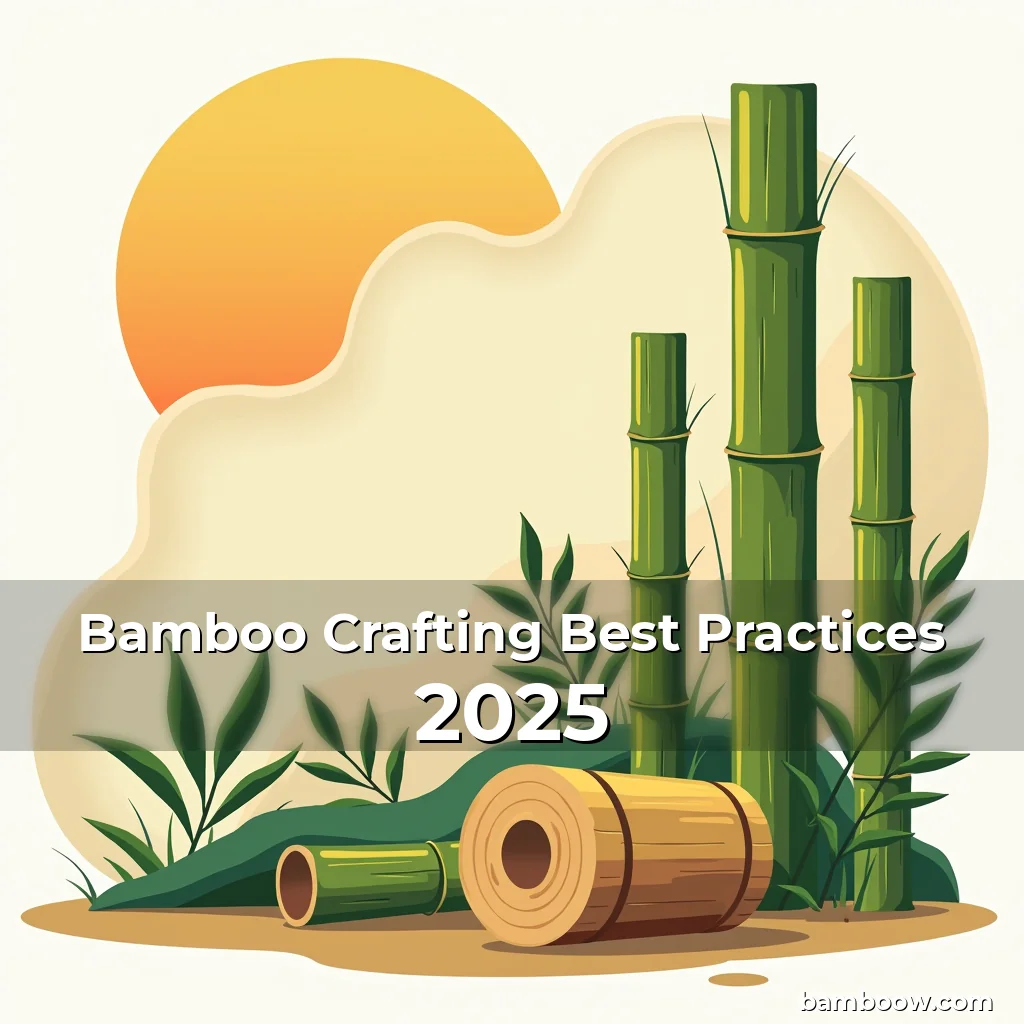
Bamboo Crafting Best Practices 2025
In an era where sustainability is reshaping industries, bamboo crafting has emerged as both an art form and an environmentally responsible practice. This ancient technique, rooted in Asian traditions, continues to captivate artisans worldwide due to its versatility, durability, and low environmental impact.
The resurgence of interest in natural materials has brought renewed attention to bamboo, which offers unique properties that few other resources can match. From furniture design to intricate decorative items, bamboo’s adaptability makes it ideal for creative expression while promoting ecological balance.
Selecting Quality Bamboo Materials
Choosing the right bamboo species is crucial for successful crafting projects. The most commonly used varieties include Moso, Tonkin, and Bambusa vulgaris, each offering distinct characteristics suited for different applications.
Moso bamboo, known for its thick walls and straight grain, is particularly favored for structural components such as chair frames and flooring. Its strength-to-weight ratio surpasses many hardwoods when properly treated.
Tonkin bamboo provides superior flexibility, making it perfect for weaving baskets and creating curved forms. However, it requires careful handling during processing to prevent splitting along the grain lines.
Bambusa vulgaris offers a balanced combination of workability and resilience, often selected for smaller crafts like chopsticks, utensils, and decorative accents. Its lighter weight also facilitates easier carving and detailing.
- Moisture Content: Freshly harvested bamboo contains high moisture levels that must be reduced through controlled drying processes before use. Failure to do so may result in warping or cracking during subsequent treatments.
- Node Distribution: Even spacing between nodes enhances stability in crafted pieces. Irregular node patterns can compromise structural integrity unless reinforced through additional supports.
- Surface Condition: Smooth bark surfaces are preferred over rough ones since they allow better adhesion for finishes and reduce the risk of splinters forming after shaping.
Preparation Techniques for Optimal Results
Proper preparation ensures longevity and aesthetic appeal of bamboo crafts. A well-planned approach involves several key steps beginning from initial cutting through final finishing stages.
Cutting bamboo at precise angles prevents unnecessary stress points that could lead to future breakage. Using sharp tools designed specifically for bamboo minimizes fiber damage compared to general-purpose saws.
Drying techniques vary depending on the intended application but generally involve air-drying followed by kiln treatment under controlled conditions. This dual-process removes excess moisture without causing internal fractures.
Before applying any chemical treatments, sanding the surface smooth is essential. It not only improves appearance but also creates an even base for coatings and reduces potential weak spots in the material.
Traditional vs Modern Drying Methods
Historically, artisans relied on open-air exposure combined with periodic turning to achieve uniform drying rates across entire stalks. While effective, this method was time-consuming and susceptible to weather fluctuations.
Modern innovations now offer accelerated drying solutions using vacuum chambers and infrared technology. These methods significantly shorten processing times while maintaining quality standards previously associated with traditional approaches.
A study conducted by the International Bamboo Research Institute found that vacuum-assisted drying reduced shrinkage by up to 35% compared to conventional methods. This improvement translates directly into fewer defects during fabrication phases.
However, some purists argue that rapid drying might affect certain wood qualities negatively. They advocate retaining elements of traditional techniques alongside modern enhancements wherever possible.
Essential Tools for Professional Craftsmanship
Investing in specialized equipment elevates craftsmanship quality substantially. Essential tools range from basic hand implements to advanced power devices tailored explicitly for working with bamboo.
Hand planes, chisels, and gouges remain indispensable despite technological advances. Their precision allows fine adjustments necessary for complex designs that automated systems cannot easily replicate.
Precision measuring instruments ensure accuracy in dimensions critical for joinery work. Digital calipers provide millimeter-level resolution vital for assembling interlocking parts seamlessly.
Power routers equipped with custom bits enable efficient shaping operations previously requiring extensive manual labor. Careful selection based on blade geometry determines how effectively these machines perform specific tasks.
- Carving Knives: Specialized blades with angled edges facilitate smoother cuts through dense fibers encountered in thicker bamboo sections.
- Jigsaws: Variable-speed models help maintain control over kerf width, preventing excessive material loss during curve-cutting activities.
- Clamps & Fixtures: Adjustable clamping systems hold pieces securely during assembly, reducing chances of misalignment or distortion caused by improper support.
Advanced Joinery Techniques for Structural Integrity
Creating durable connections between bamboo segments demands mastery of various joint types adapted specifically for this material’s unique properties.
Butt joints, though simple in concept, require meticulous alignment and reinforcement strategies to withstand mechanical stresses inherent in load-bearing structures.
Lap joints distribute pressure evenly across overlapping areas, minimizing localized strain that could eventually cause failure at connection sites.
Mortise-and-tenon joints provide exceptional strength by interlocking male-female fittings precisely within their respective counterparts.
Reinforcement Strategies for High-Stress Areas
Steel rods inserted strategically within hollow bamboo tubes reinforce critical junctions subjected to repeated loading cycles. Proper placement avoids weakening surrounding tissues unnecessarily.
Epoxy resins applied selectively strengthen glue lines formed through dowel pins or biscuits. This targeted approach maintains visual clarity while enhancing bond durability.
Fiberglass wraps around vulnerable zones act as protective layers against micro-cracks developing over extended periods of use. They also contribute marginally towards overall rigidity improvements.
Wooden splines fitted snugly inside mating grooves create friction-based fastening mechanisms independent of adhesive reliance alone.
Creative Design Approaches for Unique Pieces
Design innovation drives continuous evolution in bamboo craft aesthetics. Exploring diverse styles enables creation of distinctive products appealing to varied consumer preferences.
Minimalist designs emphasize clean geometric shapes and restrained ornamentation focusing solely on functional aspects rather than elaborate embellishments.
Scandinavian influences incorporate organic curves mimicking natural growth patterns found in mature bamboo specimens. Such forms evoke feelings of tranquility and harmony with nature.
Kintsugi-inspired techniques highlight imperfections deliberately introduced during construction process itself, transforming flaws into visually striking features celebrating craftsmanship heritage.
- Modular Construction: Interchangeable components allow easy disassembly facilitating repairs or modifications without compromising original structure integrity.
- Color Grading: Selectively treating individual pieces according to shade variations adds depth perception to finished assemblies enhancing visual interest dramatically.
- Textural Contrast: Combining smooth polished surfaces next to intentionally left rustic textures generates dynamic tactile experiences inviting closer inspection.
Finishing Touches That Elevate Quality
Applying appropriate finishes protects bamboo from environmental factors while preserving its natural beauty. Multiple options exist catering to differing performance requirements and stylistic choices.
Oil-based sealers penetrate deeply into cellular structure providing long-lasting protection against humidity-induced deformation issues common in tropical climates.
Varnishes formulated especially for bamboo contain UV inhibitors preventing premature fading effects noticeable in prolonged outdoor exposures.
Waxes offer temporary protection suitable primarily for indoor usage scenarios where maintenance frequency remains manageable within practical limits.
Environmental Considerations in Finishing Choices
Waterborne finishes represent eco-friendly alternatives emitting lower volatile organic compounds during application procedures compared to solvent-based equivalents.
Natural oils derived from plant sources align perfectly with sustainable principles governing modern green manufacturing practices currently gaining widespread acceptance globally.
Synthetic polymers engineered for biodegradability address concerns related to end-of-life disposal challenges faced by conventional coating materials lacking such attributes inherently.
Some artisan communities have pioneered closed-loop recycling programs collecting spent finishing agents for reprocessing purposes thereby minimizing waste generation entirely.
Preserving Handcrafted Bamboo Items Over Time
Regular upkeep sustains functionality and extends lifespan considerably. Implementing preventive measures helps mitigate deterioration risks arising naturally from aging processes.
Gentle cleaning routines utilizing mild soap solutions remove accumulated dirt without stripping away existing protective layers prematurely.
Periodic inspections identify early signs of wear allowing timely intervention before minor damages escalate into irreparable failures later down the line.
Storage environments maintained at stable temperature ranges avoid dimensional changes resulting from extreme thermal fluctuations impacting fit tolerances adversely.
Seasonal Maintenance Tips
During humid seasons, increasing ventilation around stored items prevents mold development potentially damaging wooden components irreversibly.
Winter months necessitate extra precautions ensuring adequate insulation against freezing temperatures capable of inducing ice crystal formation inside porous bamboo tissues leading to structural degradation over time.
Springtime represents optimal period for deep cleansing sessions removing seasonal buildup acquired throughout previous year’s storage duration effectively preparing them for upcoming display periods.
Autumn transitions call for assessing condition status comprehensively prior to winter preparations guaranteeing readiness for seasonal shifts ahead without encountering unexpected complications suddenly.
Community Building Through Shared Knowledge Exchange
Fostering collaborative networks strengthens collective expertise benefiting everyone involved regardless of skill level attained individually.
Workshops focused exclusively on teaching fundamental skills serve as entry points enabling newcomers gradually acquire confidence needed for undertaking increasingly sophisticated undertakings progressively.
Online forums dedicated specifically to discussing technical aspects foster real-time problem-solving capabilities addressing immediate queries efficiently without delays typically associated with physical meetings.
Local exhibitions featuring works created by participants encourage peer recognition validating efforts invested simultaneously promoting broader appreciation towards this specialty field among wider audiences beyond direct participant circles alone.
Conclusion
Bamboo crafting stands at the intersection of tradition and innovation, offering endless possibilities for artistic exploration grounded firmly in ecological responsibility.
By mastering foundational techniques and embracing evolving methodologies continuously, practitioners ensure continued relevance of this remarkable medium in contemporary society shaped profoundly by global climate change realities.


news is a contributor at BamBoow. We are committed to providing well-researched, accurate, and valuable content to our readers.
You May Also Like

Professional Bamboo Crafting: Advanced Techniques
The Artistry of Bamboo Craftsmanship: Mastering Timeless Traditions Bamboo has been revered across cultures as both a practical resource and...
The Artistry of Bamboo Crafting: Techniques, Traditions, and Modern Innovations
The Artistry of Bamboo Crafting: Techniques, Traditions, and Modern Innovations Bamboo crafting has transcended mere utility to become a celebrated...
Bamboo Crafting vs Alternatives: Complete Comparison
Bamboo Crafting vs Alternatives: Complete Comparison In recent years, bamboo crafting has emerged as a sustainable and innovative art form,...

How to Choose Bamboo Crafting: Expert Guide
The Art and Craft of Bamboo: A Comprehensive Journey Through Tradition and Innovation Bamboo has long been revered across cultures...