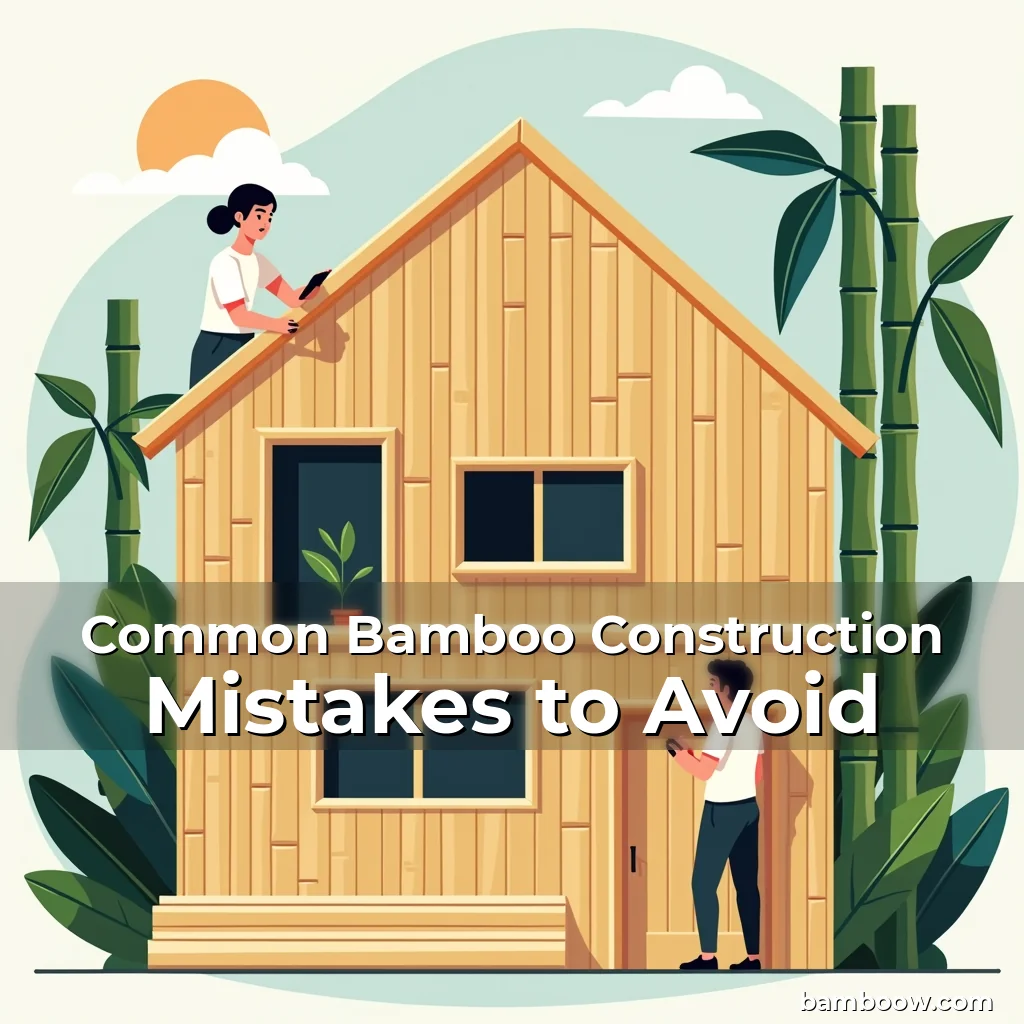
Common Bamboo Construction Mistakes to Avoid
Bamboo has emerged as an innovative material in modern construction due to its strength, sustainability, and aesthetic appeal. However, despite these benefits, many builders and homeowners still make critical errors that compromise the integrity and longevity of their projects.
Whether you are constructing a bamboo house, building furniture, or integrating bamboo elements into your design, avoiding common mistakes is essential to ensure structural safety, durability, and environmental responsibility.
The Importance of Proper Bamboo Treatment
Bamboo is naturally resistant to some pests and decay but requires treatment to enhance its performance in different climates. Neglecting this step can lead to premature deterioration, mold growth, and reduced lifespan of structures.
Treatment involves methods such as boiling, soaking, or chemical impregnation. These processes help remove natural sugars and resins from the bamboo which attract insects and fungi.
- Burning: Exposing bamboo to controlled fire removes moisture and creates a protective layer against insect infestation.
- Polymerization: Using heat and pressure to harden the fibers makes bamboo more durable and less prone to warping.
- Copper-based treatments: Applying copper solutions helps prevent fungal growth without compromising the eco-friendly nature of bamboo.
Failing to treat bamboo properly results in increased maintenance costs over time and may require early replacement of affected components.
Misunderstanding Bamboo Species and Their Properties
Selecting the wrong type of bamboo for a particular project can significantly impact the success of any construction endeavor. Different species have varying levels of hardness, flexibility, and resistance to weather conditions.
For example, Moso bamboo is known for its high tensile strength and is often used in flooring and structural applications, while Bambusa tulda offers better flexibility suitable for decorative purposes.
Understanding the properties of each species ensures that materials selected align with both functional requirements and environmental considerations.
Failure to match species characteristics with intended use cases leads to suboptimal performance, potential failures under stress, and higher long-term costs associated with repairs or replacements.
Inadequate Structural Design Considerations
A well-thought-out structural plan forms the foundation of any successful bamboo construction project. Skipping thorough analysis of load-bearing capacities, wind resistance, seismic activity, and other relevant factors poses serious risks.
Structural engineers experienced in working with natural materials play crucial roles here by evaluating site-specific conditions before finalizing blueprints.
Ignoring these aspects increases vulnerability during extreme weather events or earthquakes where improperly designed buildings could collapse or suffer significant damage.
Properly executed designs incorporate reinforcements like steel connectors at joints between poles ensuring overall stability even when subjected to heavy loads.
Improper Joinery Techniques
Joining pieces together effectively determines how strong and stable a structure will be made entirely out of bamboo. Inexperienced workers sometimes opt for simple nail-through methods instead of using specialized joinery techniques developed specifically for bamboo.
Traditional joinery techniques include dowel connections, mortise-and-tenon joints, and lashing methods using natural fibers or synthetic ropes designed for durability.
Using inappropriate fasteners compromises joint strength leading to weak points within structures that might fail unexpectedly under normal usage scenarios.
Investment in learning correct installation practices through training programs or workshops greatly improves outcome quality and reduces future maintenance needs related to faulty assemblies.
Overlooking Moisture Control Measures
Moisture control remains vital aspect affecting longevity of all wooden constructions including those built mainly from bamboo. High humidity environments accelerate rotting process unless adequate ventilation systems exist alongside waterproof coatings applied externally.
Designers must integrate features like raised foundations, breathable wall coverings, and strategically placed vents allowing air circulation around walls and floors.
Additionally implementing rainwater management strategies prevents water accumulation near base areas contributing further towards degradation issues.
Regular inspections combined with periodic reapplication of sealants maintain optimal protection levels helping preserve original condition longer than otherwise possible.
Lack Of Maintenance Planning
Maintenance planning plays integral role across entire lifecycle span covering initial setup phase up until eventual decommissioning stage involving regular upkeep activities aimed preserving asset value consistently.
Schedule inspections every few months focusing particularly on connection points showing signs wearout indicating need immediate attention rather waiting until visible cracks appear causing irreversible harm.
Develop emergency response protocols addressing situations requiring rapid intervention minimizing downtime losses caused unexpected breakdowns happening outside scheduled service periods.
Engaging professional contractors specializing in sustainable architecture provides added assurance regarding adherence standards promoting long term viability projects initiated today.
Environmental Impact Misconceptions
Many people assume that because bamboo grows rapidly compared traditional hardwood trees they automatically become environmentally friendly option regardless context circumstances surrounding actual implementation phases involved.
However reality differs considerably depending upon harvesting methods employed whether selective cutting versus clear-cutting approaches adopted affecting biodiversity preservation efforts local ecosystems reliant native flora fauna coexisting human habitation zones.
Eco-conscious developers prioritize partnerships established certified organizations committed responsible sourcing practices guaranteeing minimal ecological footprints achieved throughout complete supply chain network extending beyond mere plant collection stages alone.
This holistic approach encompasses recycling initiatives utilizing reclaimed waste products transformed new useful items thereby reducing landfill contributions generated construction industries globally annually.
Cost Underestimation And Budget Management Issues
Accurate cost estimation becomes paramount factor determining feasibility potential ventures undertaken employing green technologies incorporating renewable resources efficiently utilized achieve desired outcomes economically viable manner.
Underestimating expenses frequently encountered challenge novice entrepreneurs lacking sufficient market knowledge failing recognize hidden charges arising complex logistics transporting bulky raw materials requiring special handling procedures exceeding standard freight options available conventional building supplies.
Thorough research conducted upfront analyzing comparative pricing models among various suppliers enables informed decisions selecting most competitive yet reliable vendors capable fulfilling delivery commitments promised timelines specified contracts signed prior commencing operations officially.
Utilizing digital tools tracking expenditures dynamically adjusts allocations accordingly maintaining financial discipline necessary sustaining profitability margins expected returns invested capital deployed successfully executing plans conceived initially.
Community Engagement And Education Deficits
Successful integration communities hinges heavily upon active participation residents stakeholders vested interest regions undergoing transformation via introduction alternative infrastructure solutions emphasizing ecological balance social equity simultaneously.
Gaps existing educational outreach programs hinder widespread adoption innovations introduced without comprehensive understanding underlying principles driving effectiveness results observed post deployment implementations carried forward consistently over extended durations.
Initiating collaborative forums platforms fostering dialogue exchanges ideas expertise professionals laypersons alike cultivate environment conducive innovation sharing best practices cultivated experiences gained respective domains specialization fields engaged daily basis.
These interactive spaces encourage formation networks support groups assisting individuals navigate challenges faced adopting unconventional methodologies challenging established norms entrenched deeply cultural traditions passed generations previously.
Conclusion
Avoiding common pitfalls enhances chances achieving successful outcomes aligning aspirations goals pursued initiating bamboo based undertakings embracing opportunities presented sustainable living paradigms emerging contemporary society prioritizing planetary health alongside personal well-being considerations.
By adhering recommended guidelines outlined above coupled proactive engagement continual learning evolving field promising future holds immense potential transforming urban landscapes rural settings alike harmoniously blending nature humanity’s creative ingenuity expressed through thoughtful application advanced engineering principles rooted respect ecological stewardship ethos guiding actions taken shaping tomorrow’s world responsibly today.
“`<|End of output|>“`

news is a contributor at BamBoow. We are committed to providing well-researched, accurate, and valuable content to our readers.
You May Also Like

About news
Passionate about sustainable living and bamboo cultivation. Sharing insights on eco-friendly practices and green technology.