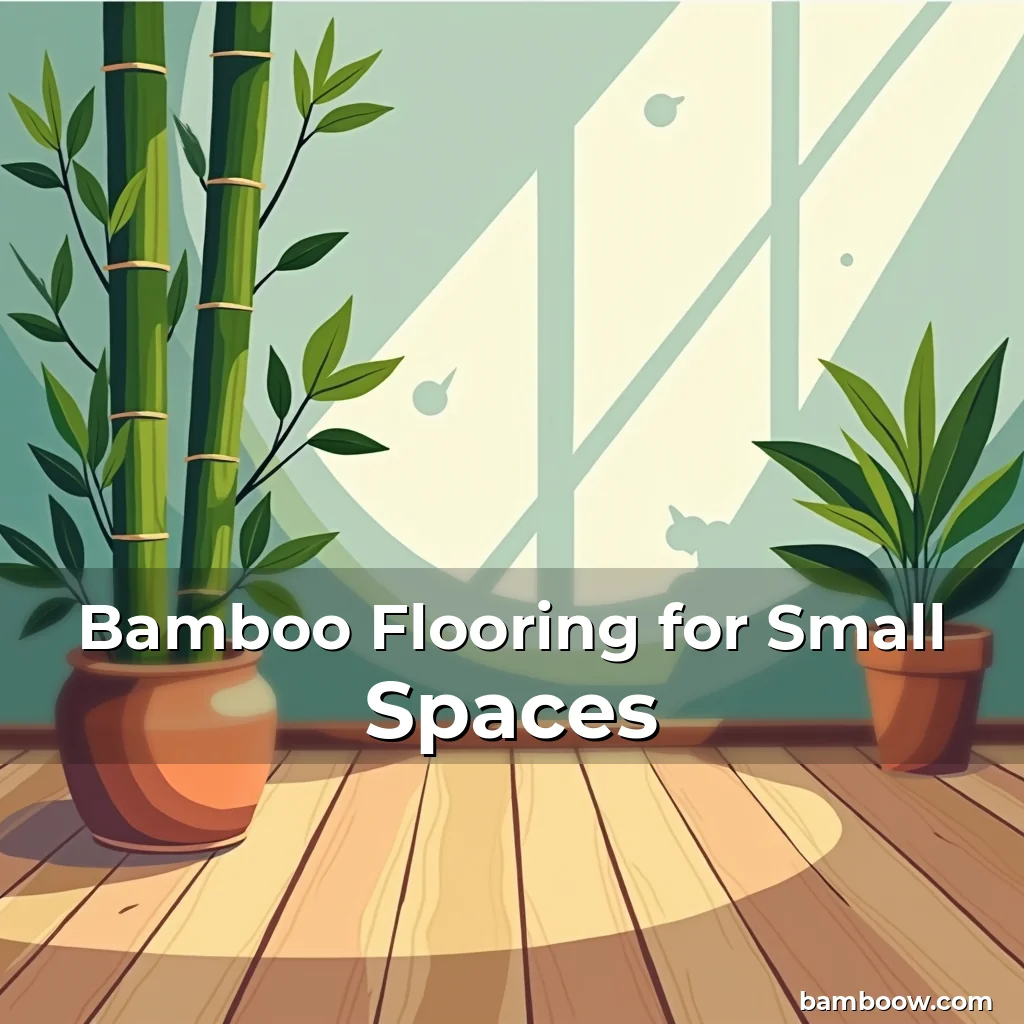
Bamboo Flooring for Small Spaces
Bamboo flooring has emerged as an excellent choice for small spaces due to its natural beauty, durability, and space-enhancing properties. This versatile material offers both aesthetic appeal and practical advantages that make it ideal for apartments, studios, and other compact living areas.
In today’s urban environments where square footage is at a premium, choosing the right flooring can significantly impact how spacious a room feels. Bamboo’s light tones and reflective surface contribute to creating an illusion of openness while maintaining a warm, inviting atmosphere.
The Unique Appeal of Bamboo Flooring
Bamboo is a rapidly renewable resource that grows much faster than traditional hardwoods. Its sustainability makes it an attractive option for environmentally conscious homeowners who want to minimize their ecological footprint without compromising style.
One of bamboo’s most notable characteristics is its inherent strength. When properly treated and finished, it rivals even some exotic hardwood species in terms of hardness and resistance to wear. This quality ensures longevity for your investment.
Did you know? Bamboo can grow up to three feet in a single day under optimal conditions, making it one of nature’s fastest-growing plants.
- Natural Aesthetic: Bamboo flooring comes in various finishes ranging from smooth and glossy to matte and distressed, allowing it to complement almost any interior design scheme.
- Eco-friendly Choice: As a fast-growing plant, bamboo requires minimal resources compared to conventional hardwood trees, reducing environmental impact during production.
- Durability: Engineered bamboo floors are designed to withstand daily foot traffic, spills, and minor scratches better than many wood alternatives.
Creating Illusions of Space with Design Choices
Selecting the appropriate color palette plays a crucial role in maximizing visual space within smaller rooms. Lighter shades reflect more ambient light, contributing to a sense of openness and brightness.
Opting for horizontal grain patterns over vertical ones often creates a wider appearance by visually stretching the floor across walls. This subtle trick helps elongate narrow spaces effectively.
Tips: Consider using lighter-toned bamboo planks paired with minimalist decor elements such as neutral-colored furniture and sheer curtains to enhance spatial perception further.
Light Reflectance Values Matter
Understanding the concept of light reflectance values (LRVs) can guide you toward selecting the best bamboo flooring for small spaces. LRV measures how well a surface reflects visible light, with higher numbers indicating greater light reflection.
A study conducted by the National Institute of Standards and Technology found that surfaces with high LRVs can increase perceived room size by up to 20%. Choosing bamboo flooring with an LRV above 80% would be particularly beneficial for cramped quarters.
Installation Options for Optimal Results
The way you install bamboo flooring can dramatically affect its performance and aesthetics within confined spaces. Floating installations offer flexibility when dealing with irregular subfloors commonly found in older buildings or renovations.
Glue-down methods provide superior stability but require meticulous preparation of existing substrates. They’re generally recommended for permanent installations rather than temporary setups.
Pro Tip: Always ensure the subfloor is clean, dry, and level before beginning installation regardless of chosen method—this step prevents future issues like creaking or unevenness.
Maintaining Your Bamboo Floor’s Beauty
Regular maintenance routines help preserve the look and feel of bamboo flooring over time. Simple tasks like sweeping or vacuuming regularly remove debris that could scratch the finish.
Using microfiber cloths instead of abrasive materials keeps the surface free from damaging particles while maintaining its sheen. It’s essential never to use excessive water since moisture can compromise sealed surfaces.
Warning: Avoid placing heavy objects directly onto newly installed bamboo floors until they’ve had sufficient time to acclimate—typically around two weeks after unboxing.
Cost Analysis: Is Bamboo Worth the Investment?
Bamboo flooring typically ranges between $3-$7 per square foot depending on quality, grade, and finishing options available locally. While initially higher than vinyl or laminate products, its long-term benefits justify the upfront cost.
Considering lifecycle costs including replacement frequency, energy efficiency gains through insulation properties, and potential increases in property value adds another layer of financial justification beyond initial pricing figures alone.
Comparison Table Summary: Compared with other popular flooring types, bamboo provides similar durability levels at competitive prices without sacrificing visual appeal or comfort factors associated with synthetic materials.
Real-Life Applications Across Different Room Types
Kitchens benefit greatly from bamboo flooring thanks to its resistance against stains and ease of cleaning. The non-porous surface repels liquids quickly unless left untreated for extended periods.
Bathrooms also become viable candidates once proper sealing techniques have been applied correctly. Waterproof treatments extend lifespan considerably while preventing mold growth around wet areas.
Considerations: For bathrooms specifically, opting for pre-finished engineered bamboo boards might be preferable due to their enhanced moisture resistance capabilities versus solid strand-woven versions which may expand slightly upon exposure to humidity changes.
Comparisons With Other Popular Flooring Materials
Vinyl flooring remains cheaper overall yet lacks the warmth and authenticity provided by genuine bamboo materials. However, it excels at mimicking appearances through advanced printing technologies nowadays.
Laminate flooring offers good value-for-money propositions but tends to show signs of aging quicker especially in high-moisture zones compared to sealed bamboo counterparts which maintain consistent looks longer term.
Environmental Impact: From carbon sequestration rates to biodegradability aspects post-use phase, bamboo continues leading discussions regarding sustainable building practices globally.
Future Trends and Innovations in Bamboo Flooring
Ongoing research focuses heavily on improving bamboo composites’ structural integrity via nanotechnology applications aimed at enhancing flexibility without sacrificing rigidity traits observed naturally within mature stalks themselves.
Smart home integration features now being tested involve sensors embedded beneath layers detecting temperature fluctuations automatically adjusting heating systems accordingly preserving optimal indoor climate control settings permanently.
Predictive Insight: Expect increased adoption rates among architects designing eco-conscious structures worldwide as global awareness towards green construction methodologies intensifies continuously over upcoming years ahead.
Conclusion
Bamboo flooring presents itself as a compelling solution tailored precisely for those residing in limited-area accommodations seeking functional elegance simultaneously.
To summarize, prioritizing light-colored variants combined with strategic layout choices based on architectural specifics will yield remarkable transformations turning modest interiors into expansive havens effortlessly achieved through thoughtful implementation strategies outlined previously discussed topics thoroughly addressed here comprehensively.

news is a contributor at BamBoow. We are committed to providing well-researched, accurate, and valuable content to our readers.
You May Also Like
About news
Passionate about sustainable living and bamboo cultivation. Sharing insights on eco-friendly practices and green technology.