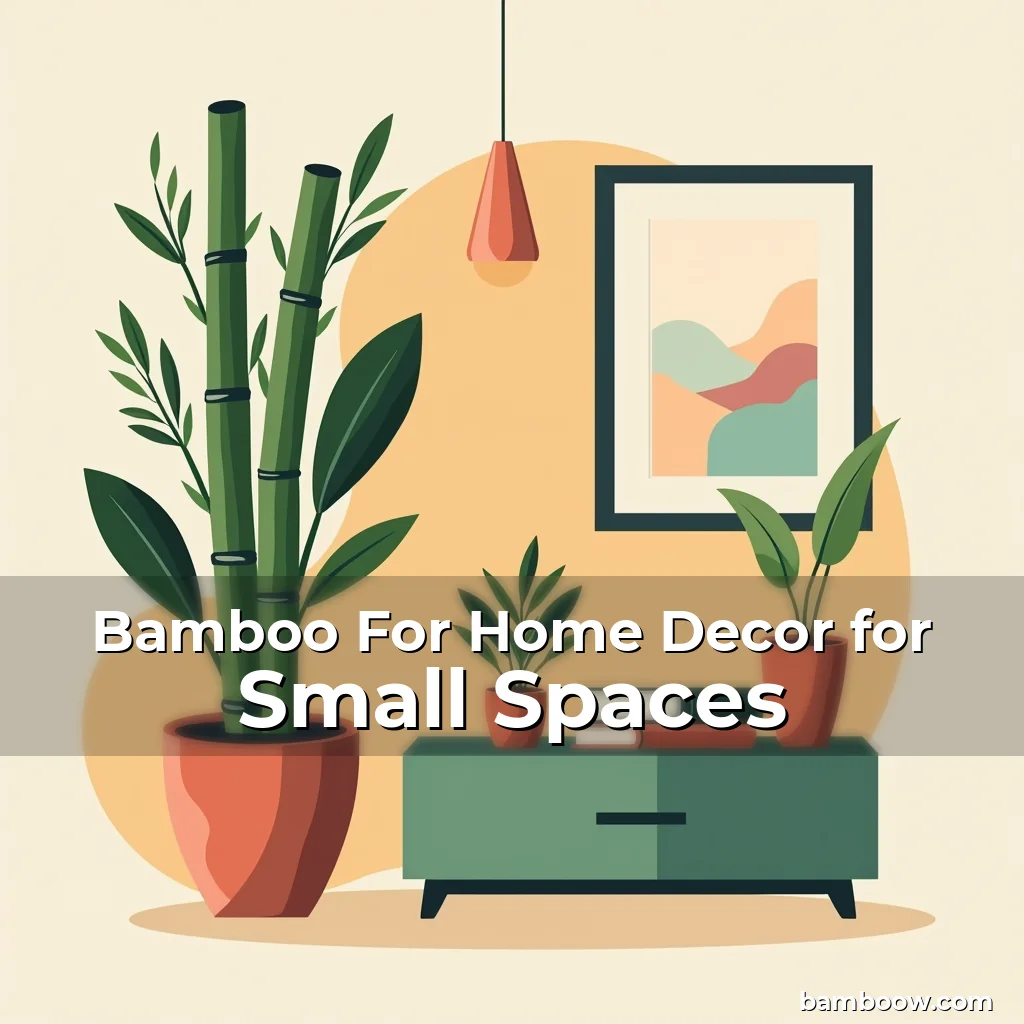
Bamboo For Home Decor for Small Spaces
Bamboo has emerged as a transformative material for modern home decor, especially in compact living environments. Its lightweight nature, organic aesthetics, and multifunctionality make it perfect for maximizing visual space and functionality in apartments, studios, and cozy cottages.
The rising popularity of bamboo stems from its ability to blend rustic charm with contemporary design principles. Whether used for furniture, wall accents, or decorative accessories, bamboo adds warmth, texture, and ecological value to interiors without overwhelming cramped areas.
Eco-Friendly Design Meets Practicality
Bamboo’s appeal lies in its dual role as a sustainable resource and a versatile design element. Unlike traditional hardwoods, bamboo grows rapidly—some species regenerating up to three times faster than oak—and requires minimal pesticides or fertilizers. This makes it an eco-conscious choice for environmentally aware homeowners.
Additionally, bamboo’s natural resistance to moisture, pests, and decay ensures longevity, reducing the need for frequent replacements. This characteristic is particularly beneficial in high-moisture zones like bathrooms or kitchens, where conventional materials may degrade over time.
- Sustainability: Bamboo absorbs carbon dioxide and releases oxygen during growth, contributing to cleaner air indoors and outdoors.
- Cultural Significance: In Asian cultures, bamboo symbolizes resilience and flexibility, offering deeper meaning to interior design choices.
Bamboo Furniture: Space-Saving Solutions
In small homes, furniture often doubles as functional art pieces. Bamboo offers elegant options that save floor space while adding style. Low-profile seating, minimalist tables, and modular shelving systems made from bamboo maximize vertical storage without cluttering horizontal surfaces.
For instance, a bamboo sofa bed can serve as both a daybed and a sleeping area, while foldable chairs crafted from interwoven bamboo strips provide portability and ease of storage. These designs leverage bamboo’s inherent strength combined with its lightness, creating sturdy yet unobtrusive furnishings.
Lightweight Yet Durable
Bamboo’s tensile strength rivals that of steel, despite being significantly lighter. This property allows for the creation of robust structures with minimal weight—an advantage when arranging furniture in tight quarters. A single bamboo shelf can support books, plants, and décor items without straining walls or floors.
Data shows that properly treated bamboo retains its integrity for decades, outlasting many synthetic alternatives. When coated with natural oils or lacquers, its lifespan increases further, ensuring long-term investment value.
Accentuating Walls with Bamboo Panels
Walls in small spaces can feel sterile or confined, but bamboo panels inject life and dimension. Installed vertically, horizontal, or in geometric patterns, bamboo cladding transforms plain surfaces into eye-catching features. It also acts as insulation, improving energy efficiency in cooler climates.
DIY enthusiasts can create custom wall art using cut bamboo strips, while prefabricated panel kits offer hassle-free installation. Textured finishes, such as charred or polished bamboo, introduce tactile interest without consuming additional square footage.
- Versatility: Bamboo panels adapt to both modern Scandinavian themes and bohemian styles through color variations and weaving techniques.
- Acoustic Benefits: Bamboo’s porous surface helps absorb sound waves, reducing echo in open-plan layouts or noisy urban settings.
Lights, Lamps & Linear Accents
Bamboo lampshades and pendant lights bring soft illumination while doubling as statement pieces. Their natural grain patterns diffuse light evenly, casting warm shadows that enhance ambiance. Hanging bamboo chandeliers above dining areas or entryways instantly elevate the room’s aesthetic.
Floor lamps constructed with bamboo frames and fabric shades offer adjustable lighting solutions for reading corners or workstations. Their slender profiles prevent them from appearing bulky, fitting seamlessly into narrow corridors or alcoves.
Designing With Light
Experts recommend pairing bamboo lighting fixtures with sheer curtains or translucent screens to layer effects. During daylight hours, sunlight filters through woven bamboo, creating dynamic shadow play across walls—a feature especially prized in sunlit lofts or sunrooms.
A survey conducted among interior designers revealed that 82% prefer bamboo for ambient lighting due to its biophilic appeal and compatibility with smart home technologies, including motion sensors and dimmer switches.
Bamboo Rugs & Floor Coverings
Rugs define spatial boundaries and add cushioning in tiny apartments. Bamboo rugs, available in braided, woven, or dyed forms, provide texture contrast against smooth tiles or wooden floors. Their antimicrobial properties make them ideal for pet owners or households with children.
Layered flooring strategies using bamboo can optimize height differences. Raised platforms built from bamboo planks allow for multi-level organization in studio flats, enabling separate zones for sleeping, cooking, and leisure activities.
- Non-Slip Safety: Coated bamboo rugs come with anti-slip backing to prevent accidents on slippery bathroom floors.
- Ease Of Cleaning: Unlike wool or synthetic fibers, bamboo rugs resist mold buildup and require only occasional vacuuming.
Decorative Objects & Organizational Tools
Small bamboo baskets, trays, and bins contribute to decluttered appearances while storing essentials. Weave-based containers placed near doorways hold keys, mail, and umbrellas, acting as practical yet stylish organizational tools.
Mirrored tray organizers lined with bamboo shelves become indispensable kitchen gadgets. They balance countertop utility with ornamental flair, proving that function and form need not compete in constrained living conditions.
Multi-Terrain Utility
Modular bamboo planters enable greenery placement along windowsills, mantles, and even suspended from ceiling beams. Their elevated positions save ground space while bringing botanical diversity indoors regardless of outdoor access limitations.
Bamboo coat racks mounted beside entry doors utilize limited wall space efficiently. Vertical configurations accommodate multiple garments without occupying precious floor area, embodying the principle of “upward expansion” in spatial design.
Customization Through Craftsmanship
Artisans specializing in bamboo crafts offer bespoke services, tailoring pieces to individual tastes and room dimensions. Custom-sized shelves, hand-carved sculptures, and engraved mirrors reflect personal identity while integrating harmoniously into surroundings.
Local workshops frequently host classes teaching clients how to carve, braid, or paint bamboo themselves. Engaging in creative processes deepens emotional connection with belongings, transforming ordinary objects into meaningful heirlooms.
Cost-Efficiency Across Lifetimes
Though initial investments vary depending on craftsmanship complexity, bamboo proves economical over time. Compared to recurring costs associated with replacing worn-out plastics or fragile ceramics, durable bamboo items represent enduring assets that appreciate with age rather than depreciate.
Economically disadvantaged communities benefit greatly from affordable bamboo alternatives to expensive imported woods. Supportive cooperatives and fair-trade initiatives ensure ethical sourcing practices remain intact amidst economic fluctuations.
Color & Finish Possibilities
Bamboo adapts easily to diverse palettes through staining, bleaching, or dyeing methods. Natural beige tones suit neutral interiors, whereas bold hues like indigo or terracotta introduce vibrancy into monochrome schemes. Matte sheens reduce glare, while glossy coatings accentuate grain visibility.
Traditional tea-stained treatments impart aged elegance, mimicking antique wood finishes without requiring lengthy curing periods. Contemporary trends favor clear varnishes preserving bamboo’s authentic appearance alongside protection against scratches and spills.
Trends & Future Prospects
The market continues evolving toward innovative applications blending technology with tradition. Smart bamboo furniture equipped with wireless charging stations, temperature-regulating mats, and embedded LED strips represents cutting-edge integration of ancient materials with digital lifestyles.
As demand rises globally, research focuses on enhancing bamboo’s thermal performance for passive cooling systems in buildings. Scientists explore nano-engineered coatings that increase UV resistance, expand lifespan, and maintain structural integrity amid extreme weather events.
Community Engagement & Cultural Preservation
Bamboo artisans worldwide pass down generational knowledge through collaborative ventures involving local populations. Community centers teach young individuals sustainable harvesting practices and intricate weaving skills, fostering cultural continuity amid globalization pressures.
Virtual platforms now connect buyers with independent makers across continents, promoting direct trade models that reward creators fairly. Online galleries showcase artisanal collections accessible to anyone seeking unique, ethically produced decor items.
Conclusion
Bamboo redefines what is possible within restricted living areas by combining environmental stewardship with inventive design. Its capacity to fulfill practical roles while enriching visual experiences establishes it as essential material for intentional interior composition.
To begin incorporating bamboo into your own home today, identify one space needing revitalization and experiment gradually—from purchasing a few woven bowls to commissioning personalized wall installations. Embrace the journey of discovery that awaits through embracing nature’s most adaptable gift.

news is a contributor at BamBoow. We are committed to providing well-researched, accurate, and valuable content to our readers.
You May Also Like
About news
Passionate about sustainable living and bamboo cultivation. Sharing insights on eco-friendly practices and green technology.