


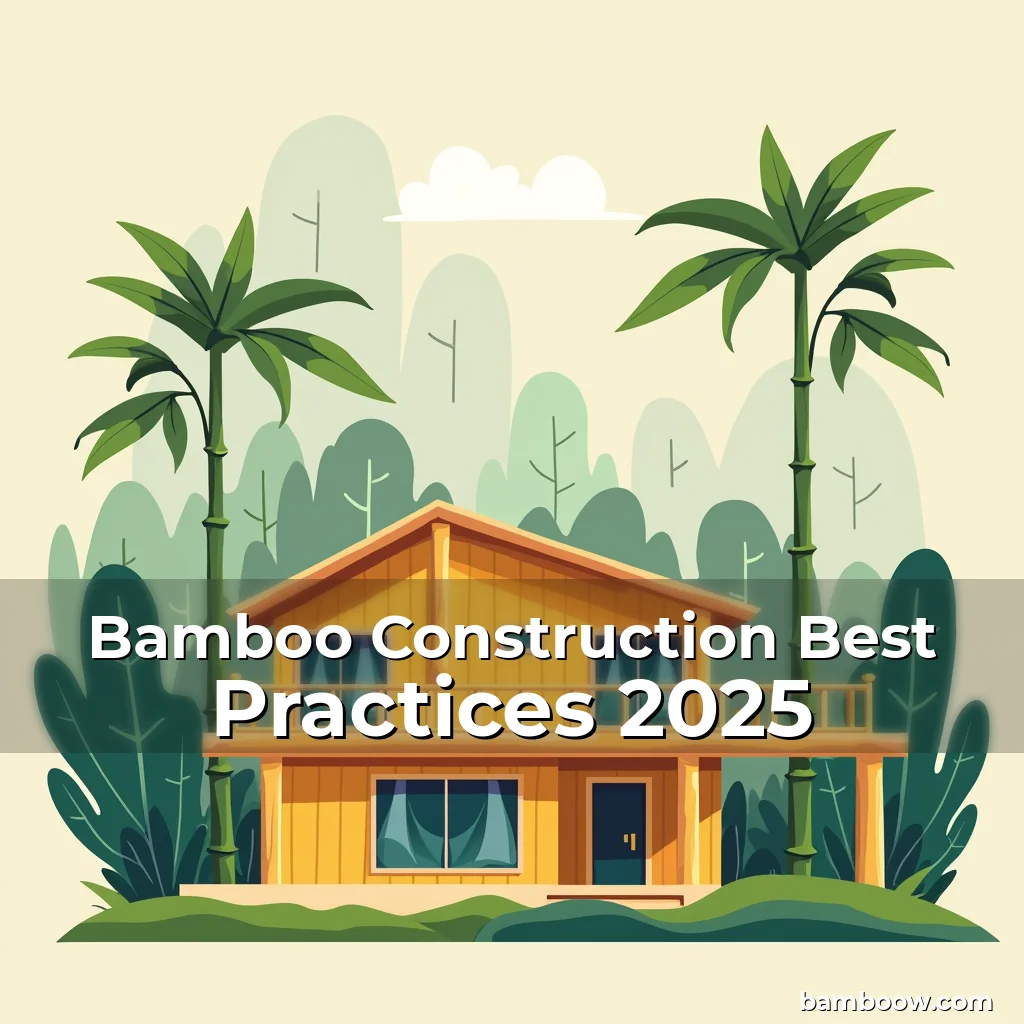
Bamboo Construction Best Practices 2025
In 2025, bamboo construction is evolving rapidly due to growing environmental awareness and innovative engineering solutions. Communities worldwide are embracing bamboo as a sustainable alternative to traditional materials like concrete and steel. This article explores cutting-edge techniques, ecological advantages, and cultural significance shaping modern bamboo architecture.
The resurgence of interest stems from both economic incentives and climate-conscious initiatives. Bamboo’s rapid growth cycle allows for cost-effective material sourcing compared to slow-growing hardwoods. Additionally, governments are implementing policies that support green infrastructure, positioning bamboo as a viable solution for urban development and disaster-resistant housing.
The Historical Significance of Bamboo in Architecture
Bamboo has served as a foundational element in human civilization for thousands of years. Ancient civilizations across Asia, Africa, and Latin America utilized bamboo to construct homes, bridges, and even defensive structures. Its inherent flexibility made it ideal for regions prone to earthquakes and tropical storms.
Cultural traditions often dictated how bamboo was incorporated into architectural designs. In Southeast Asia, woven bamboo panels were used to create ventilation systems that regulated indoor temperatures naturally. Meanwhile, Mesoamerican cultures wove bamboo fibers into textiles that reinforced building foundations against erosion.
- Historical Resilience: Bamboo structures survived centuries of natural disasters because of their organic shock-absorbing properties.
- Economic Accessibility: Local communities relied on readily available bamboo instead of importing expensive foreign timber.
Architectural historians document early instances of multi-story bamboo buildings dating back to the Han Dynasty in China. These constructions featured intricate joinery methods that eliminated the need for nails or adhesives, showcasing advanced craftsmanship long before modern tools existed.
Modern architects studying ancient techniques have discovered that many pre-industrial bamboo frameworks exceeded expected durability lifespans. By analyzing these time-tested methodologies, contemporary builders gain insight into creating resilient yet aesthetically pleasing structures today.
Sustainability Benefits of Modern Bamboo Construction
Taking advantage of bamboo’s natural regenerative qualities provides significant environmental benefits. Unlike trees that require decades to mature, bamboo reaches full maturity in just three to five years. This fast growth rate reduces pressure on forests while maintaining ecosystem biodiversity.
Carbon sequestration capabilities make bamboo an exceptional eco-friendly material choice. A single hectare of bamboo plantation absorbs approximately 6 tons of CO₂ annually—an impressive figure compared to hardwood equivalents. These carbon credits contribute to global efforts combating climate change.
Life Cycle Analysis Compared to Traditional Materials
A comprehensive life cycle assessment reveals bamboo outperforms conventional building materials in several categories. From harvesting to disposal, bamboo demonstrates lower energy consumption rates than steel production processes. Manufacturing facilities powered entirely by renewable sources now exist in parts of Southeast Asia.
End-of-life considerations also favor bamboo construction. Unlike plastics that persist indefinitely in landfills, decomposed bamboo returns nutrients to soil ecosystems. Innovations in biodegradable finishes allow structures to dissolve safely after reaching their useful lifespan.
Structural Integrity and Engineering Advantages
Engineered bamboo products offer remarkable strength-to-weight ratios comparable to high-grade lumber. When treated properly, bamboo poles can withstand compressive forces exceeding those of pine wood without warping or splitting. Structural engineers routinely test load capacities under extreme conditions.
Advanced laminating techniques have transformed raw bamboo into composite materials suitable for skyscraper applications. Layered cross-sections distribute stress evenly across entire structures, preventing localized failures during seismic events. Wind tunnel simulations validate these enhanced performance metrics.
- Flexibility Under Stress: Natural curvature enables bamboo to bend rather than snap during tremors or hurricanes.
- Durability Enhancements: Chemical treatments protect against termites, fungi, and moisture degradation.
Computer modeling software now predicts structural behavior with unprecedented accuracy. Architects simulate scenarios involving fire resistance, wind shear, and snow accumulation to optimize designs before physical implementation occurs.
Material testing laboratories certify various bamboo species based on tensile strengths and elasticity measurements. This scientific validation process ensures safety standards align with international building codes globally.
Design Principles for Contemporary Bamboo Structures
Contemporary bamboo architecture balances aesthetics with functionality using parametric design approaches. Digital modeling tools enable architects to experiment with complex geometries previously unachievable with conventional materials. Curvilinear forms become standard features in modern residential and commercial developments.
Interior spaces benefit from bamboo’s thermal regulation properties. Hollow stalk interiors act as natural insulators reducing heating/cooling demands significantly. Strategic placement of ventilation channels enhances air circulation patterns inside living areas.
Lightweight characteristics permit creative cantilever designs without excessive foundation reinforcement. Suspended walkways and open-air pavilions showcase how minimalistic supports achieve maximal spatial freedom.
Integration with smart technology adds new dimensions to bamboo construction. Sensors embedded within framework components monitor structural health in real-time, alerting maintenance crews about potential issues before becoming critical problems.
Pioneering Projects Redefining Bamboo Architecture
Globally recognized projects demonstrate the versatility of bamboo in diverse climatic zones. The Green School in Bali exemplifies educational institutions built entirely from sustainably harvested bamboo. Its vaulted ceilings and translucent roofing membranes redefine what’s possible with natural materials.
Urban developers in Mexico City constructed mixed-use complexes incorporating vertical gardens grown along exterior bamboo frames. These living facades provide insulation while supporting local pollinator populations. Rainwater collection systems integrated seamlessly into structural latticework minimize waste runoff.
Disaster relief organizations utilize prefabricated bamboo shelters that assemble quickly in emergency situations. Modular units feature interlocking joints requiring no additional hardware for assembly. Lightweight transportability makes these temporary dwellings invaluable post-catastrophe recovery operations.
Research centers dedicated exclusively to bamboo innovation continue pushing boundaries. Advanced treatment formulas increase weather resistance while preserving visual appeal. Collaborative programs bring together artisans, scientists, and policymakers to shape industry-wide standards.
Challenges Facing Widespread Adoption
Despite numerous advantages, barriers remain hindering universal acceptance of bamboo construction. Standardization lacks consistency across regions, complicating certification processes for international trade agreements. Differing regional regulations complicate cross-border collaboration on large-scale projects.
Perceptions regarding bamboo’s longevity still linger among some professionals. Misconceptions about susceptibility to rot or insect damage persist despite proven preservation methods. Educational campaigns addressing these concerns prove essential for shifting outdated viewpoints.
Labor training gaps represent another obstacle. Skilled workers capable of executing specialized bamboo carpentry techniques remain limited. Vocational programs focusing specifically on bamboo fabrication need expansion to meet rising demand expectations.
Supply chain limitations pose logistical difficulties particularly in remote locations. Transportation costs for oversized pole shipments can outweigh financial benefits depending on geographic proximity to source regions. Developing efficient distribution networks becomes crucial for broader market penetration.
Futuristic Trends Shaping Tomorrow’s Bamboo Industry
Rapid technological advancements promise transformative changes in bamboo processing methods. Automated machinery streamlines manufacturing operations increasing precision while reducing labor-intensive manual tasks traditionally associated with bamboo workmanship.
Nanotechnology innovations enhance protective coatings applied to finished surfaces. Microscopic layering creates hydrophobic barriers resisting water absorption while allowing breathability for interior environments. These microscopic enhancements extend service lives substantially beyond untreated counterparts.
Biodegradable polymers infused within bamboo composites offer promising alternatives to synthetic adhesives. Naturally derived bonding agents maintain structural integrity without compromising recyclability at end-of-life stages. Such breakthroughs address longstanding concerns about chemical residues left behind during deconstruction phases.
Artificial intelligence integration optimizes resource allocation throughout supply chains. Predictive algorithms forecast demand fluctuations enabling producers to adjust harvest schedules accordingly. Smart inventory management minimizes wastage while maximizing operational efficiency gains.
Conclusion
Bamboo construction represents a paradigm shift toward environmentally responsible building practices. As demonstrated through historical precedents and contemporary implementations, this versatile material continues proving itself adaptable across varying contexts and purposes.
By adopting recommended best practices outlined above, stakeholders can capitalize on emerging opportunities within this dynamic field. Embracing innovation alongside time-honored wisdom positions bamboo at forefront of sustainable development strategies worldwide.


news is a contributor at BamBoow. We are committed to providing well-researched, accurate, and valuable content to our readers.
You May Also Like

Bamboo Construction for Beginners: Getting Started
Selecting the Right Type of Bamboo Over 1,400 bamboo species exist globally, but only a few possess structural value for...
Bamboo Construction: Essential Tools and Resources
Bamboo Construction: Essential Tools and Resources Bamboo construction is emerging as a sustainable alternative to traditional building methods, offering strength,...
Bamboo Construction vs Alternatives: Complete Comparison
Bamboo Construction vs Alternatives: Complete Comparison Bamboo has long been celebrated as an extraordinary natural resource, but its potential in...
Quick Bamboo Construction Solutions Under 30 Minutes
Revolutionizing Sustainable Living Through Rapid Bamboo Construction Bamboo has emerged as a groundbreaking material reshaping modern architecture and eco-friendly building...