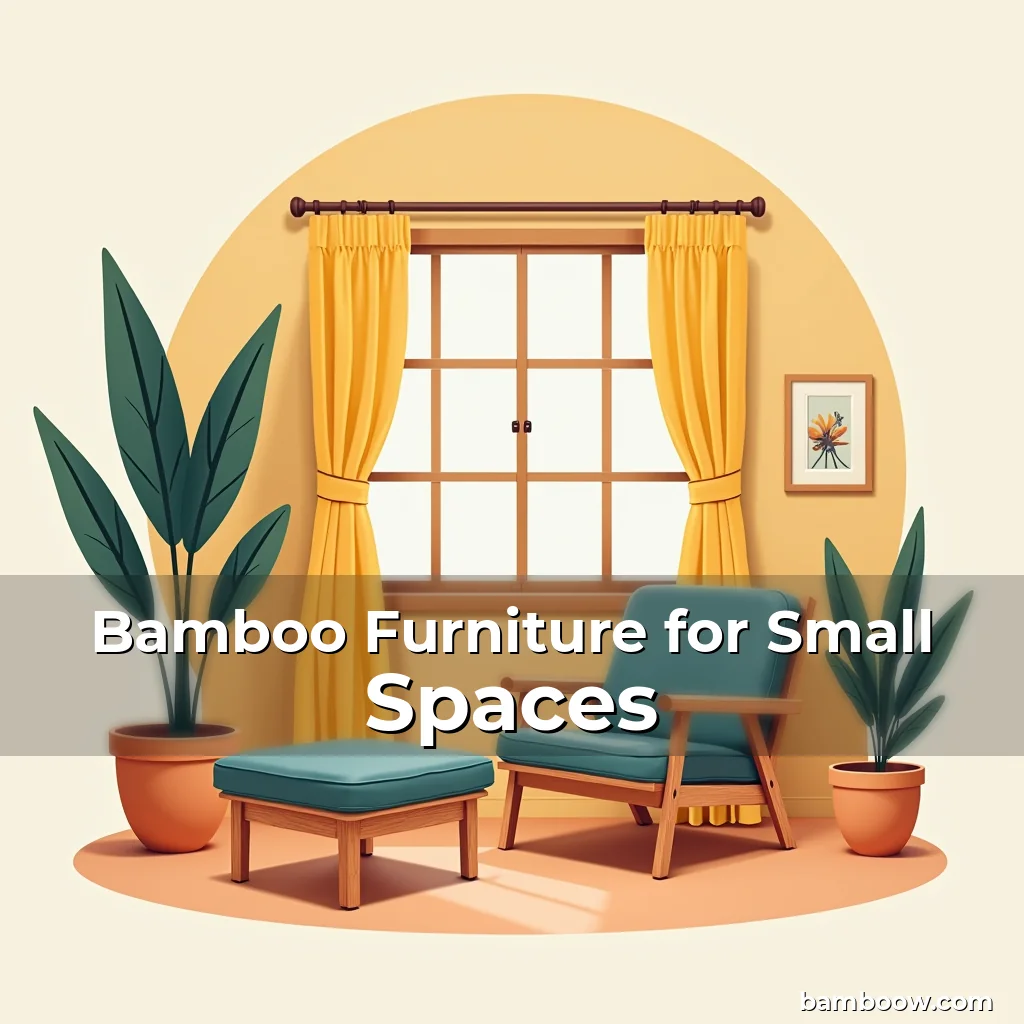
The Timeless Elegance of Bamboo Furniture in Modern Living
In an era where sustainability meets style, bamboo furniture has emerged as a beacon of innovation and environmental consciousness. This versatile natural resource offers a harmonious blend of durability, aesthetics, and eco-friendliness that resonates deeply with contemporary design sensibilities.
From minimalist Scandinavian interiors to vibrant bohemian spaces, bamboo’s adaptability ensures it complements various decor styles effortlessly. Its natural grain patterns create visual interest while maintaining a serene presence within any room.
A Sustainable Choice for Eco-Conscious Consumers
Bamboo stands out among renewable resources due to its remarkable growth rate and minimal environmental impact. Unlike traditional hardwoods that require decades to mature, bamboo reaches full maturity in just three to five years.
This rapid regrowth cycle allows for sustainable harvesting without depleting forest ecosystems. Certified organic bamboo farms ensure responsible cultivation practices that protect biodiversity and soil health.
The production process significantly reduces carbon emissions compared to conventional wood products. Bamboo absorbs up to 35% more CO₂ than equivalent hardwood species during its growth phase.
- Renewable Resource: Bamboo is classified by the UN as a sustainable material due to its fast regeneration capabilities
- No Pesticides Required: Naturally resistant to pests, reducing chemical usage in farming
- Low Energy Manufacturing: Requires less energy-intensive processing than other woods
Bamboo’s lifecycle from planting to finished product embodies principles of circular economy. Offcuts can be repurposed for smaller items, minimizing waste throughout the manufacturing chain.
Eco-Friendly Properties That Outshine Traditional Materials
Bamboo furniture presents compelling advantages over conventional materials through its inherent characteristics. The plant naturally develops a dense cellular structure that enhances both strength and flexibility.
This structural composition makes bamboo remarkably resilient against warping and cracking under varying humidity conditions. Compared to many hardwood varieties, bamboo exhibits superior dimensional stability.
The material also demonstrates excellent resistance to moisture absorption when properly treated. This quality is particularly beneficial for coastal regions or humid climates.
Unlike synthetic alternatives, genuine bamboo retains breathability which regulates indoor temperatures naturally. This feature contributes to improved air circulation without relying on artificial cooling systems.
Diverse Applications Across Interior Design Styles
Bamboo’s versatility extends beyond just furniture pieces; it finds application across numerous interior elements. From flooring solutions to decorative accents, its adaptability knows few limits.
Crafted bamboo panels serve as elegant wall coverings that add texture without overwhelming a space. These surfaces absorb sound effectively while maintaining acoustic clarity.
Customized bamboo shelving units offer stylish storage solutions that integrate seamlessly with modern living environments. Their lightweight nature facilitates easy reconfiguration of rooms.
In bathrooms, bamboo vanities combine functionality with aesthetic appeal. Natural antibacterial properties make them ideal for high-moisture areas without requiring harsh cleaning agents.
Designing With Bamboo In Mind
Architectural professionals increasingly incorporate bamboo into their projects due to its structural integrity. Reinforced bamboo composites have been used successfully in commercial buildings and public infrastructure.
Studies show that bamboo-reinforced concrete structures exhibit comparable strength to steel-reinforced counterparts but at lower weight. This characteristic proves advantageous for earthquake-prone regions.
Pioneering architects are experimenting with hybrid designs that merge bamboo with other sustainable materials. Cross-laminated bamboo panels represent an exciting advancement in modular construction techniques.
Interior designers emphasize the importance of balancing bamboo elements with complementary textures. Pairing smooth bamboo surfaces with rough-hewn stone creates dynamic spatial contrasts.
Choosing Quality Bamboo Products
Selecting authentic bamboo furniture requires understanding different types of bamboo available commercially. Moso bamboo dominates most markets due to its exceptional strength-to-weight ratio.
Variations exist between species regarding density, coloration, and workability. Selecting the appropriate type depends largely on intended use and desired finish effects.
Reputable manufacturers employ rigorous quality control measures to ensure consistency in product performance. Certifications such as FSC® and ISO standards help verify authenticity and safety compliance.
When examining potential purchases, look for joinery methods that demonstrate craftsmanship rather than reliance solely on adhesives. Solid mortise-and-tenon joints indicate higher-quality construction.
Maintenance Tips For Longevity
Proper care extends the lifespan of bamboo furniture significantly. Regular dusting prevents buildup that could potentially damage finishes over time.
For routine maintenance, gentle wiping with a damp cloth suffices. Avoid using abrasive cleaners that might scratch delicate surfaces or strip protective coatings.
Protective treatments enhance durability while preserving natural beauty. Applying food-grade mineral oil every six months maintains luster and prevents dryness.
In high-traffic areas, consider placing felt pads underneath furniture legs to prevent floor abrasions. This simple precaution protects both your furnishings and flooring surfaces.
Cost Considerations And Value Proposition
While initial costs may seem higher than mass-produced alternatives, long-term savings become evident through extended product life. Well-crafted bamboo pieces often last generations with proper upkeep.
Comparative analysis shows bamboo furniture typically outlasts particleboard or MDF options by several times over. Reduced replacement frequency translates into significant financial benefits.
The market offers diverse pricing ranges depending on craftsmanship levels and design complexity. Handcrafted items command premium prices reflecting artisanal skill investment.
Investing in quality bamboo furniture aligns with broader sustainability goals. Supporting ethical manufacturing practices fosters positive industry-wide changes.
Current Trends Shaping The Industry
Modern consumers seek multifunctionality in home goods, driving demand for adaptable bamboo designs. Modular sofa systems and convertible tables exemplify this evolving preference.
Smart technology integration represents another emerging trend. Motion-sensor lighting fixtures made from bamboo merge tradition with futuristic convenience features.
Biophilic design principles influence current product development. Manufacturers now prioritize open grain visibility and natural coloring to maintain ecological connection.
Sustainable packaging initiatives accompany new product launches. Biodegradable wrapping materials replace plastic components commonly found in conventional furniture shipments.
Community Impact And Ethical Sourcing
Ethically sourced bamboo supports local economies in producing countries. Fair trade partnerships ensure workers receive livable wages and safe working conditions.
Transparency in supply chains helps consumers make informed choices. Traceable sourcing enables verification of origin and treatment processes applied to raw materials.
Supporting certified organizations promotes better labor practices globally. Look for brands that actively engage in community development programs alongside their business operations.
Consumers play a vital role in shaping industry ethics. Demand for accountability encourages companies to adopt more transparent and socially responsible policies.
Conclusion
Bamboo furniture continues to redefine possibilities in sustainable interior design. Its combination of environmental benefits and timeless elegance appeals broadly across demographics.
As awareness grows about planetary limitations, conscious consumerism becomes essential. Choosing bamboo furniture represents a meaningful step toward a greener future without compromising on aesthetic value.

news is a contributor at BamBoow. We are committed to providing well-researched, accurate, and valuable content to our readers.
You May Also Like


About news
Passionate about sustainable living and bamboo cultivation. Sharing insights on eco-friendly practices and green technology.