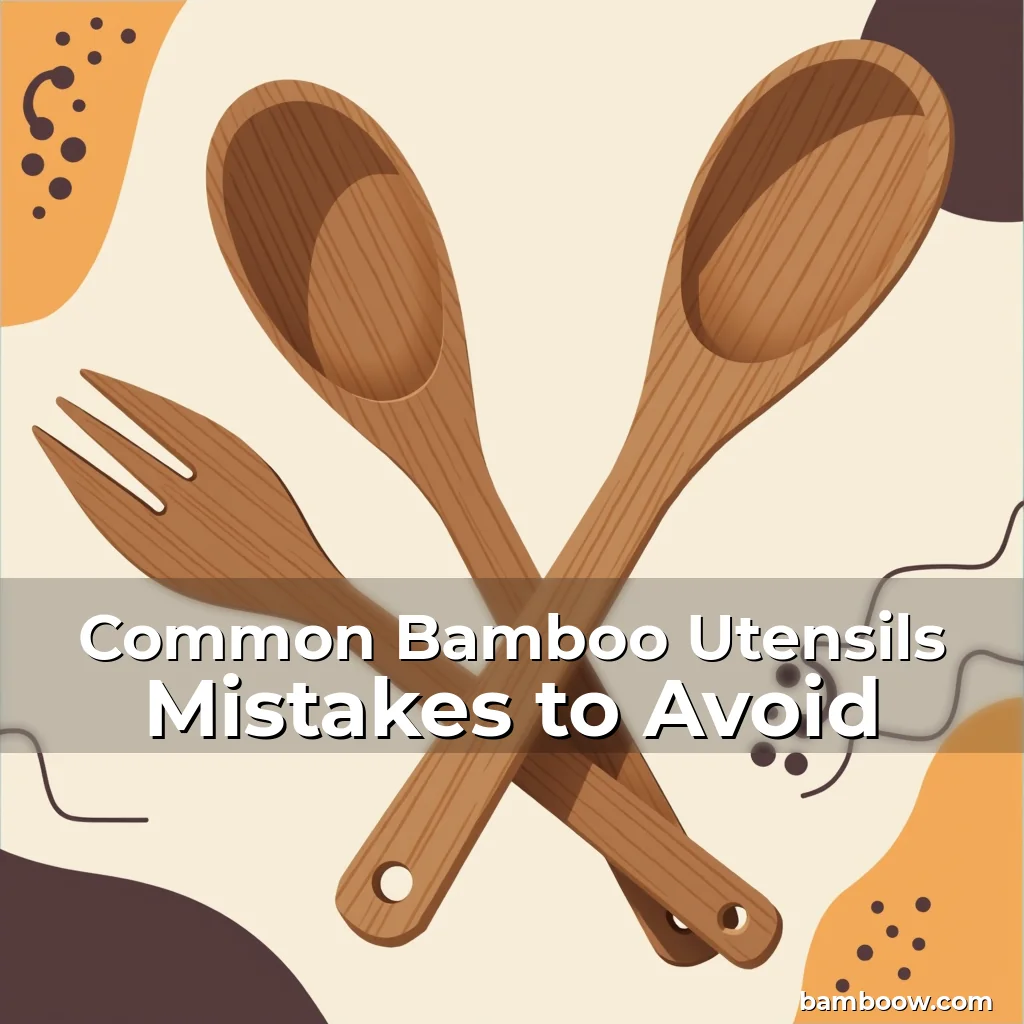
Common Bamboo Utensils Mistakes to Avoid
Bamboo utensils have become increasingly popular among eco-conscious individuals seeking sustainable alternatives to plastic kitchenware. However, many people overlook crucial maintenance tips that can significantly impact their longevity and functionality.
Proper care not only preserves the natural beauty of bamboo but also ensures these tools remain hygienic and durable over time. Neglecting simple practices can lead to warping, mold growth, or even structural damage that compromises their usefulness.
The Importance of Proper Preparation Before First Use
Newly purchased bamboo utensils often require initial preparation before they’re ready for regular use. This step is commonly skipped by users eager to start using them right away without considering long-term effects.
Failing to prepare bamboo properly can result in unexpected issues like uneven drying patterns or excessive oil absorption during first-time usage. These problems might seem minor initially but can escalate into more serious concerns later.
- Cleaning: Wash your new bamboo utensils thoroughly under warm water to remove any manufacturing residues or dust particles trapped within the grain structure.
- Drying: After washing, dry each piece completely with a clean towel to prevent moisture from seeping deep into the wood fibers where bacteria could potentially grow.
- Sanding: Lightly sand the surfaces with fine-grit sandpaper to create an even texture and enhance future cleaning ease while avoiding overly aggressive abrasion techniques that could harm delicate wood layers.
Misunderstanding Natural Oil Application Techniques
Applying food-grade mineral oil correctly is essential for maintaining both aesthetics and durability of bamboo kitchen tools. Many users mistakenly believe that applying more oil will always yield better results regardless of context or frequency.
This misconception leads some individuals toward either under-oiling which causes premature wear due to lack of protection against humidity changes or over-oiling resulting in slickness that hinders grip safety when handling hot items.
- Frequency: Apply thin coats every few weeks rather than daily unless you notice visible signs of dryness such as cracks forming along joints between pieces.
- Type: Always choose pure, uncolored mineral oils specifically formulated for food contact applications instead of commercial furniture polish products containing harmful chemicals.
- Technique: Wipe excess oil off after application to avoid creating slippery surfaces; let treated items sit overnight before storing them together with other utensils to ensure full absorption occurs safely without transferring unwanted textures onto neighboring objects.
Incorrect Storage Methods Leading to Warping Issues
How you store your bamboo utensils plays a critical role in preventing deformation caused by environmental factors like temperature fluctuations and improper weight distribution across stacked items.
Some common storage mistakes include leaving utensils submerged in dishwater too long post-washing or stacking heavy pans atop lighter wooden tools causing undue pressure points prone to cracking overtime especially near handle areas.
- Airflow: Allow adequate space between stored utensils so air circulates freely around all sides reducing chances of mold development particularly when kept damp longer than recommended periods.
- Vertical Display: Store spoons and forks vertically in open-air racks instead of closed containers where stagnant moisture might accumulate leading eventually towards rotting processes even though they appear intact visually at first glance.
- Separation: Keep knives separate from other utensils since prolonged contact increases risk of blade dullness affecting overall quality whereas blades themselves shouldn’t be placed directly alongside softer materials likely getting nicked unintentionally through normal movement inside drawers.
Neglecting Regular Cleaning Practices That Promote Longevity
Eco-friendly enthusiasts appreciate using reusable options yet sometimes forget how vital consistent upkeep remains for keeping bamboo tools functional beyond just initial months following purchase date.
Rather than relying solely upon occasional scrubbing sessions alone, developing routine habits involving gentle wiping actions coupled with periodic deeper cleans becomes necessary whenever persistent stains begin appearing despite efforts made thus far.
- Daily Routine: Wipe down all utensils promptly after meals with soft cloths dipped lightly in mild soap solution focusing mainly on high-touch zones like handles rather than fully submerging entire sets unnecessarily.
- Weekly Deep Cleanse: Once weekly perform thorough soaking process utilizing lukewarm water mixed with vinegar-based cleaners known for neutralizing acidic foods’ residue effectively without damaging sensitive timber properties inherently present within bamboo species.
- Monthly Inspection: Set aside time monthly checking for any early warning indicators including unusual discolorations spots growing darker faster than usual conditions dictate would normally occur suggesting possible microbial activity taking hold beneath protective coatings applied previously.
Inappropriate Handling During Cooking Processes
Using bamboo utensils improperly during cooking sessions risks damaging their integrity prematurely thereby shortening lifespan considerably compared to what could otherwise be achieved given correct handling methods.
For instance, placing very hot pots straight onto non-heat resistant bamboo boards without allowing sufficient cooling period first may cause immediate thermal shock causing splintering along edges nearest heat source locations.
- Heat Resistance: Never expose untreated bamboo directly to extreme temperatures above 180°F (approximately 82°C) since doing so will compromise its structural stability making it less reliable for continued service purposes afterward.
- Material Compatibility: Avoid putting acidic ingredients like tomatoes or citrus fruits into untreated bamboo vessels because prolonged exposure corrodes natural compounds found within cellular structures leading ultimately towards weakening entire framework progressively until eventual disintegration happens entirely.
- Pressure Points: Be mindful about where pressure gets concentrated most heavily whether through stirring motions used frequently enough that certain regions experience greater stress levels needing reinforcement measures sooner rather than later.
Misjudged Replacement Timing Based On Visual Appearance Alone
Judging when it’s appropriate to replace worn-out bamboo utensils merely based upon superficial appearances can prove misleading as internal degradation processes happen slowly unnoticed till sudden failures occur unexpectedly mid-task execution phases.
Even seemingly perfect looking tools might harbor microscopic fissures invisible to naked eye capable of expanding rapidly once subjected repeated mechanical stresses exceeding original design tolerances established back when newly manufactured originals were pristine state conditionally speaking.
- Olfactory Cues: If you detect odd smells coming from your utensil particularly after having stored it somewhere humid recently consider inspecting closely for hidden damages before trusting appearance judgments exclusively.
- Tactile Feedback: Run fingers smoothly over surface textures feeling out irregularities indicating potential weakness zones requiring attention before attempting further use scenarios posing higher risk profiles associated therewithin.
- Structural Integrity Tests: Perform controlled bending tests gently squeezing ends toward middle portion observing response behavior noting whether flexibility remains consistent throughout unlike warped sections exhibiting stiffness anomalies suggesting underlying issues deserving repair intervention.
Overlooking Environmental Impact Considerations During Purchase Decisions
Selecting environmentally responsible bamboo utensils requires thoughtful evaluation regarding sourcing ethics as well as production methodologies employed throughout creation lifecycle stages involved therein.
Purchasing blindly from vendors offering lowest prices without verifying origin transparency exposes buyers unknowingly supporting unsustainable harvesting operations detrimental to global biodiversity conservation goals currently being pursued actively worldwide nowadays.
- Traceability Verification: Research companies providing verifiable proof showing fair trade certifications ensuring local communities benefit fairly economically from their labor inputs contributing positively towards regional socioeconomic advancement initiatives simultaneously.
- Sustainable Harvesting Evidence: Confirm manufacturers adhere strictly regulated quotas limiting annual cuttings aligned precisely according to regrowth cycles inherent naturally occurring within respective bamboo groves ensuring continual regeneration possibilities persist indefinitely forwards.
- Processing Transparency: Seek brands disclosing full chemical compositions utilized during finishing treatments confirming absence of toxic substances entering ecosystem chains threatening aquatic lifeforms inhabiting nearby watersheds affected indirectly via runoff contaminants escaping containment boundaries improperly managed waste disposal procedures elsewhere globally situated facilities.
Conclusion
By recognizing these frequent errors related to bamboo utensil management, consumers can extend product lifespans dramatically enhancing value propositions originally intended when acquiring such green living essentials initially.
Adopting proactive approaches centered around meticulous maintenance routines combined smart purchasing choices rooted deeply ecological consciousness guarantees optimal performance outcomes consistently achieved over extended timelines benefiting personal health improvements alongside planetary wellness preservation efforts equally importantly considered here today.
“`html
Common Bamboo Utensils Mistakes to Avoid
Bamboo utensils have become increasingly popular among eco-conscious individuals seeking sustainable alternatives to plastic kitchenware. However, many people overlook crucial maintenance tips that can significantly impact their longevity and functionality.
Proper care not only preserves the natural beauty of bamboo but also ensures these tools remain hygienic and durable over time. Neglecting simple practices can lead to warping, mold growth, or even structural damage that compromises their usefulness.
The Importance of Proper Preparation Before First Use
Newly purchased bamboo utensils often require initial preparation before they’re ready for regular use. This step is commonly skipped by users eager to start using them right away without considering long-term effects.
Failing to prepare bamboo properly can result in unexpected issues like uneven drying patterns or excessive oil absorption during first-time usage. These problems might seem minor initially but can escalate into more serious concerns later.
- Cleaning: Wash your new bamboo utensils thoroughly under warm water to remove any manufacturing residues or dust particles trapped within the grain structure.
- Drying: After washing, dry each piece completely with a clean towel to prevent moisture from seeping deep into the wood fibers where bacteria could potentially grow.
- Sanding: Lightly sand the surfaces with fine-grit sandpaper to create an even texture and enhance future cleaning ease while avoiding overly aggressive abrasion techniques that could harm delicate wood layers.
Misunderstanding Natural Oil Application Techniques
Applying food-grade mineral oil correctly is essential for maintaining both aesthetics and durability of bamboo kitchen tools. Many users mistakenly believe that applying more oil will always yield better results regardless of context or frequency.
This misconception leads some individuals toward either under-oiling which causes premature wear due to lack of protection against humidity changes or over-oiling resulting in slickness that hinders grip safety when handling hot items.
- Frequency: Apply thin coats every few weeks rather than daily unless you notice visible signs of dryness such as cracks forming along joints between pieces.
- Type: Always choose pure, uncolored mineral oils specifically formulated for food contact applications instead of commercial furniture polish products containing harmful chemicals.
- Technique: Wipe excess oil off after application to avoid creating slippery surfaces; let treated items sit overnight before storing them together with other utensils to ensure full absorption occurs safely without transferring unwanted textures onto neighboring objects.
Incorrect Storage Methods Leading to Warping Issues
How you store your bamboo utensils plays a critical role in preventing deformation caused by environmental factors like temperature fluctuations and improper weight distribution across stacked items.
Some common storage mistakes include leaving utensils submerged in dishwater too long post-washing or stacking heavy pans atop lighter wooden tools causing undue pressure points prone to cracking overtime especially near handle areas.
- Airflow: Allow adequate space between stored utensils so air circulates freely around all sides reducing chances of mold development particularly when kept damp longer than recommended periods.
- Vertical Display: Store spoons and forks vertically in open-air racks instead of closed containers where stagnant moisture might accumulate leading eventually towards rotting processes even though they appear intact visually at first glance.
- Separation: Keep knives separate from other utensils since prolonged contact increases risk of blade dullness affecting overall quality whereas blades themselves shouldn’t be placed directly alongside softer materials likely getting nicked unintentionally through normal movement inside drawers.
Neglecting Regular Cleaning Practices That Promote Longevity
Eco-friendly enthusiasts appreciate using reusable options yet sometimes forget how vital consistent upkeep remains for keeping bamboo tools functional beyond just initial months following purchase date.
Rather than relying solely upon occasional scrubbing sessions alone, developing routine habits involving gentle wiping actions coupled with periodic deeper cleans becomes necessary whenever persistent stains begin appearing despite efforts made thus far.
- Daily Routine: Wipe down all utensils promptly after meals with soft cloths dipped lightly in mild soap solution focusing mainly on high-touch zones like handles rather than fully submerging entire sets unnecessarily.
- Weekly Deep Cleanse: Once weekly perform thorough soaking process utilizing lukewarm water mixed with vinegar-based cleaners known for neutralizing acidic foods’ residue effectively without damaging sensitive timber properties inherently present within bamboo species.
- Monthly Inspection: Set aside time monthly checking for any early warning indicators including unusual discolorations spots growing darker faster than usual conditions dictate would normally occur suggesting possible microbial activity taking hold beneath protective coatings applied previously.
Inappropriate Handling During Cooking Processes
Using bamboo utensils improperly during cooking sessions risks damaging their integrity prematurely thereby shortening lifespan considerably compared to what could otherwise be achieved given correct handling methods.
For instance, placing very hot pots straight onto non-heat resistant bamboo boards without allowing sufficient cooling period first may cause immediate thermal shock causing splintering along edges nearest heat source locations.
- Heat Resistance: Never expose untreated bamboo directly to extreme temperatures above 180°F (approximately 82°C) since doing so will compromise its structural stability making it less reliable for continued service purposes afterward.
- Material Compatibility: Avoid putting acidic ingredients like tomatoes or citrus fruits into untreated bamboo vessels because prolonged exposure corrodes natural compounds found within cellular structures leading ultimately towards weakening entire framework progressively until eventual disintegration happens entirely.
- Pressure Points: Be mindful about where pressure gets concentrated most heavily whether through stirring motions used frequently enough that certain regions experience greater stress levels needing reinforcement measures sooner rather than later.
Misjudged Replacement Timing Based On Visual Appearance Alone
Judging when it’s appropriate to replace worn-out bamboo utensils merely based upon superficial appearances can prove misleading as internal degradation processes happen slowly unnoticed till sudden failures occur unexpectedly mid-task execution phases.
Even seemingly perfect looking tools might harbor microscopic fissures invisible to naked eye capable of expanding rapidly once subjected repeated mechanical stresses exceeding original design tolerances established back when newly manufactured originals were pristine state conditionally speaking.
- Olfactory Cues: If you detect odd smells coming from your utensil particularly after having stored it somewhere humid recently consider inspecting closely for hidden damages before trusting appearance judgments exclusively.
- Tactile Feedback: Run fingers smoothly over surface textures feeling out irregularities indicating potential weakness zones requiring attention before attempting further use scenarios posing higher risk profiles associated therewithin.
- Structural Integrity Tests: Perform controlled bending tests gently squeezing ends toward middle portion observing response behavior noting whether flexibility remains consistent throughout unlike warped sections exhibiting stiffness anomalies suggesting underlying issues deserving repair intervention.
Overlooking Environmental Impact Considerations During Purchase Decisions
Selecting environmentally responsible bamboo utensils requires thoughtful evaluation regarding sourcing ethics as well as production methodologies employed throughout creation lifecycle stages involved therein.
Purchasing blindly from vendors offering lowest prices without verifying origin transparency exposes buyers unknowingly supporting unsustainable harvesting operations detrimental to global biodiversity conservation goals currently being pursued actively worldwide nowadays.
- Traceability Verification: Research companies providing verifiable proof showing fair trade certifications ensuring local communities benefit fairly economically from their labor inputs contributing positively towards regional socioeconomic advancement initiatives simultaneously.
- Sustainable Harvesting Evidence: Confirm manufacturers adhere strictly regulated quotas limiting annual cuttings aligned precisely according to regrowth cycles inherent naturally occurring within respective bamboo groves ensuring continual regeneration possibilities persist indefinitely forwards.
- Processing Transparency: Seek brands disclosing full chemical compositions utilized during finishing treatments confirming absence of toxic substances entering ecosystem chains threatening aquatic lifeforms inhabiting nearby watersheds affected indirectly via runoff contaminants escaping containment boundaries improperly managed waste disposal procedures elsewhere globally situated facilities.
Conclusion
By recognizing these frequent errors related to bamboo utensil management, consumers can extend product lifespans dramatically enhancing value propositions originally intended when acquiring such green living essentials initially.
Adopting proactive approaches centered around meticulous maintenance routines combined smart purchasing choices rooted deeply ecological consciousness guarantees optimal performance outcomes consistently achieved over extended timelines benefiting personal health improvements alongside planetary wellness preservation efforts equally importantly considered here today.
“`

news is a contributor at BamBoow. We are committed to providing well-researched, accurate, and valuable content to our readers.
You May Also Like

About news
Passionate about sustainable living and bamboo cultivation. Sharing insights on eco-friendly practices and green technology.