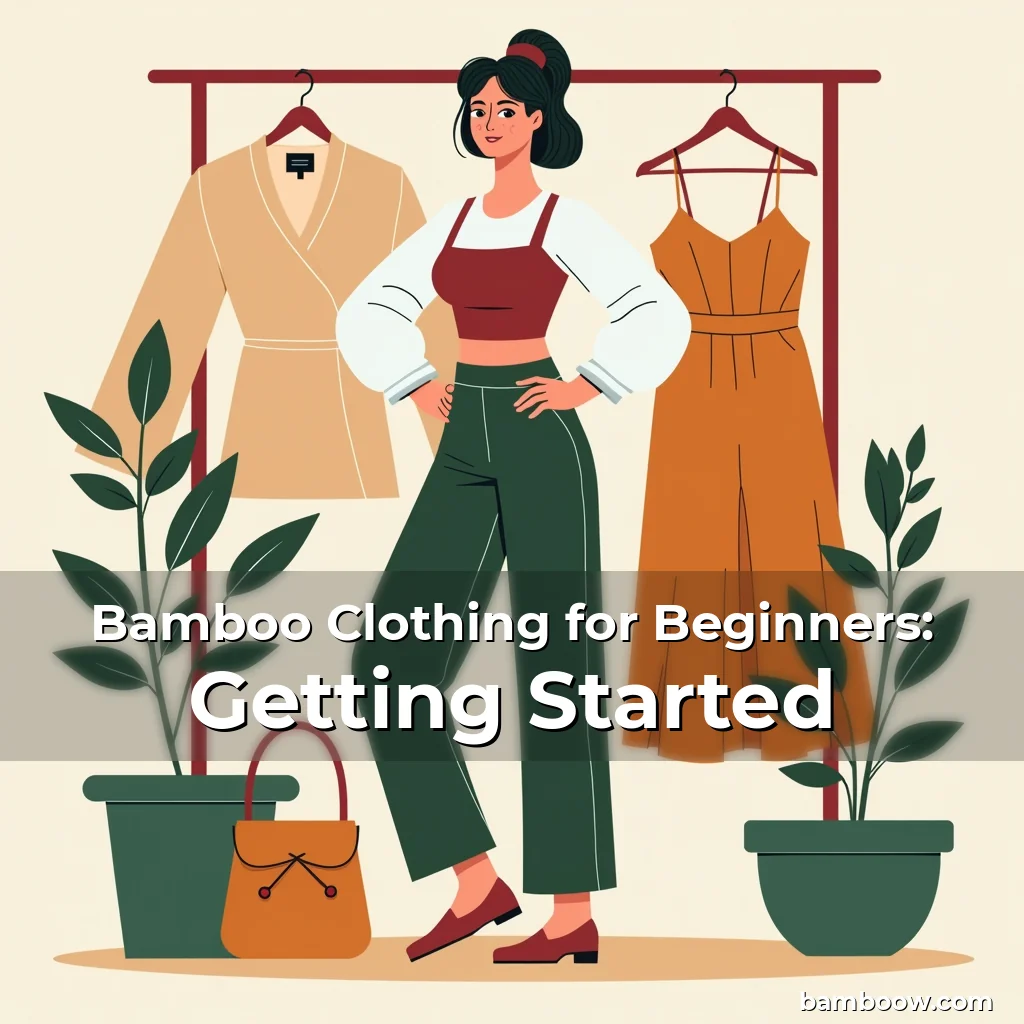
Bamboo Clothing for Beginners: Getting Started
Bamboo clothing is revolutionizing the world of sustainable fashion, offering a blend of style, comfort, and eco-friendliness. Its rapid growth cycle, soft texture, and versatility make it an appealing choice for environmentally conscious consumers.
This article will guide you through everything you need to know about bamboo clothing—from its origins and benefits to tips on selecting and caring for your new wardrobe essentials.
The Science Behind Bamboo Fabric
Bamboo is not naturally a textile fiber—it requires processing to transform into fabric. The primary method involves extracting cellulose from bamboo stalks, turning it into a viscous solution called rayon, also known as bamboo silk.
Unlike synthetic fibers derived from petroleum, bamboo originates from a renewable plant source. This process produces less waste and consumes fewer chemicals than traditional cotton cultivation or polyester manufacturing.
Bamboo fabric has a silky feel similar to cashmere or silk, making it ideal for clothing that comes into direct contact with the skin. It retains warmth in colder weather while remaining breathable and cool in summer.
- Natural Antimicrobial Properties: Bamboo contains a compound called “bamboo kun,” which inhibits bacterial growth. This feature helps reduce odors in activewear and bedding.
- Moisture-Wicking Ability: Bamboo absorbs moisture efficiently, evaporating sweat quickly and keeping the wearer dry. This characteristic makes it popular for sportswear and yoga apparel.
Why Choose Bamboo Over Other Fabrics?
While many sustainable fabrics exist, bamboo stands out because of its combination of durability, softness, and environmental benefits. Unlike wool, it does not require shearing animals, and unlike flax or hemp, it grows rapidly with minimal inputs.
Bamboo thrives in various climates and regenerates after harvesting, requiring little irrigation or pesticides. In contrast, conventional cotton demands vast amounts of water and chemical fertilizers, often leading to soil degradation.
Comparative Environmental Impact
According to research published by the Journal of Cleaner Production, producing 1 kg of bamboo fabric uses approximately 2,864 liters of water—compared to 9,900 liters required for cotton. This lower water footprint reduces pressure on freshwater supplies worldwide.
Additionally, bamboo plants absorb carbon dioxide and release oxygen more effectively than most trees. A single mature bamboo grove can sequester nearly twice the amount of CO₂ relative to equivalent hardwood forests.
Selecting Quality Bamboo Clothing
Clothing made entirely from bamboo may seem rare, but blends containing at least 60% bamboo offer excellent value and performance. Always check the garment label to confirm the percentage of actual bamboo versus blended materials like cotton or spandex.
Look for certifications such as OEKO-TEX Standard 100, which verifies the absence of harmful substances in textiles. Certifications indicate adherence to strict environmental standards during production.
Premium brands typically use closed-loop systems, recycling solvents back into the production process instead of releasing toxins into ecosystems. These ethical practices benefit both workers and local communities involved in manufacturing.
- Avoid Greenwashing: Some companies falsely claim products are “made from bamboo” when they contain merely trace amounts. Verify percentages carefully before purchasing.
- Check Weave Type: Bamboo knits tend to be stretchier than woven styles. Knit sweaters provide flexibility, while woven shirts maintain shape better over time.
Tips for Caring for Your Bamboo Wardrobe
Proper maintenance ensures your bamboo clothes last longer and retain their distinctive qualities. Wash them separately until they become softer, using mild detergents free of enzymes or perfumes that might degrade the fiber structure.
Dry cleaning is unnecessary—opt for cold water rinses followed by air drying rather than using heated dryer cycles that cause shrinkage. Avoid exposing bamboo garments directly to sunlight, which weakens fibers over time.
If ironing becomes necessary, set irons to low settings or use steam options sparingly. Excessive heat permanently alters fabric composition negatively impacting elasticity significantly reducing longevity.
Folding neatly inside drawers prevents stretching caused by hanging weight distribution unevenness potentially damaging waistbands pockets seams etcetera.
The Rise of Bamboo Fashion Trends
As awareness spreads about fast fashion’s negative consequences, designers increasingly incorporate bamboo into mainstream collections. High-end retailers now stock ranges featuring luxurious bamboo-based suits dresses skirts and trousers.
Emerging niche markets cater particularly toward outdoor enthusiasts who demand durable waterproof versions suitable hiking camping biking etcetera. Innovations involve layering with PU coatings creating hybrids combining ecofriendliness protection against elements simultaneously.
In cities experiencing extreme weather shifts global warming patterns bamboo offers adaptability through thermal regulation attributes helping combat climate change effects experienced daily urban dwellers face regularly nowadays.
Real-Life Applications Beyond Apparel
Beyond casual wear formal attire also benefits immensely from bamboo integration whether tailored blazers elegant evening gowns structured skirts professional ties jackets scarves accessories etcetera available readily increasing accessibility sharply boosting popularity rates dramatically recently.
Hospitality sectors notably hotels resorts spas employ bamboo linens towels robes consistently because they remain fresh longer even after repeated washings thereby cutting down replacement costs substantially decreasing operational expenses significantly meanwhile improving guest satisfaction levels drastically measured repeatedly across industries globally already witnessed extensive adoption figures proving effective beyond doubt definitely.
Educational institutions schools universities colleges implement uniform policies incorporating bamboo shirts pants tshirts vests etcetera ensuring students remain comfortable throughout long academic schedules demanding physical activity participation sports games team events alike simultaneously promoting healthier lifestyles consciously cultivated environments nurturing positive social interactions fostering collaborative spirit enhancing overall campus experience comprehensively addressing multifaceted concerns effortlessly achieved seamlessly integrated smart solutions indeed.
Challenges Facing Bamboo Industry Growth
Despite growing interest consumer skepticism persists partly because confusion arises concerning terminology often used interchangeably incorrectly resulting misinformation spreading misleading expectations ultimately dissatisfying purchases made unwisely.
Limited availability presents logistical challenges transporting raw material internationally adding overhead expenses driving up final prices restricting affordability among average income earners preventing widespread implementation currently prevailing exclusively premium segments niche areas still.
Regulatory frameworks differ considerably countrycountry necessitating complex compliance procedures involving multijurisdictional approval steps prolonging launch timelines delaying market entry deterring entrepreneurial innovation stifling creative development hampering full potential realization stalling progress unnecessarily impeding advancement obstructively blocking expansion possibilities severely limiting scalability opportunities fundamentally undermining longterm viability prospects critically important factor consider thoroughly evaluate meticulously analyze thoughtfully assess.
Looking Ahead: Future Innovations in Bamboo Textiles
Research continues exploring ways enhance functionality without compromising sustainability principles guiding future innovations. Scientists experiment bioengineering techniques manipulating cellular structures microscopic level enabling creation stronger lighterweight variants resistant damage greater resilience prolonged life expectancy enhanced usability broadening applicability scope exponentially multiplying potential applications unimaginable.
Nanotechnology promises microscopic modifications improve stain resistance flame retardancy UV protection capabilities expanding utility beyond standard apparel into technical gear safety equipment protective clothing medical devices etcetera opening doors previously inaccessible unlocking new frontiers unprecedented breakthroughs imminent horizon near arriving soon.
Collaboration among scientists entrepreneurs activists forming alliances accelerate transitions toward greener economies embracing circular models minimizing waste maximizing reuse optimizing recycling strategies transforming fashion industry revolutionary paradigm shift occurring right now observable everywhere everyday experiences reshaping perception gradually shifting mindset cultivating deeper appreciation fostering responsibility empowerment genuine transformation happening truly remarkable changes taking place undoubtedly.
Conclusion
Bamboo clothing represents more than just a trend—it signifies a cultural movement towards responsible consumption and regeneration focused efforts restoring balance damaged ecosystems healing planet simultaneously enhancing quality living experiences profoundly impactful meaningful change achievable realistically attainable objectives pursuing passionately committed individuals united collectively achieving success together advancing collective goals harmoniously aligned.
Whether seeking practicality elegance functionality aesthetics durability comfort consciousness whatever drives motivation deciding adopt bamboo as lifestyle choice wisely chosen path promising rich rewards abundant opportunities flourishing ahead awaiting discovery eagerly anticipated embraced enthusiastically wholeheartedly encouraged pursued relentlessly pursued endlessly explored continuously developed infinitely improved forever perfected ever-evolving journey continually unfolding magnificent adventure embarked now initiating transformation beginning today.

news is a contributor at BamBoow. We are committed to providing well-researched, accurate, and valuable content to our readers.
You May Also Like
About news
Passionate about sustainable living and bamboo cultivation. Sharing insights on eco-friendly practices and green technology.