How Bamboo Becomes Textile: A Sustainable Transformation
Transforming bamboo into fabric involves several steps, beginning with the mechanical or chemical breakdown of the plant’s cellulose-rich stalks. Mechanical processing uses heat and pressure to extract fibers, preserving the material’s natural properties without harsh solvents. Chemical methods, though historically controversial due to potential pollution risks, have evolved significantly to meet stricter environmental standards.
Modern advancements now favor closed-loop systems that recycle waste chemicals and minimize emissions. Additionally, some manufacturers employ bioenzymes or non-toxic agents to soften fibers, resulting in a product that retains bamboo’s innate qualities while adhering to stringent safety regulations.
Innovations in Processing Techniques
The evolution of bamboo textile technology has led to breakthroughs in both efficiency and sustainability. Recent studies indicate that new enzymatic treatments reduce water usage by up to 60% during fiber extraction, dramatically lowering the industry’s resource footprint. Furthermore, innovations in spinning machinery have enhanced the strength and flexibility of bamboo yarn, enabling a wider array of applications—from ultra-lightweight t-shirts to durable outdoor gear.
Such progress underscores the growing commitment of bamboo producers to balance commercial viability with ecological responsibility. As a result, consumers can confidently invest in products knowing they support cutting-edge green technologies.
The Science Behind Bamboo Fabric’s Comfort
Beyond its environmental merits, bamboo fabric excels in performance, offering unparalleled comfort that suits diverse climates and activities. One standout feature is its exceptional breathability, achieved through microscopic pores in the fibers that regulate temperature and wick away moisture efficiently.
This thermoregulating property makes bamboo clothing ideal for warm weather, preventing sweat buildup while keeping the body cool. Conversely, in colder environments, the same fibers trap warmth effectively, mimicking the insulative capabilities of wool without the bulkiness.
- Micron-Level Softness:** Bamboo fibers are smoother than cotton, reducing friction against the skin and minimizing irritation for sensitive wearers.
- Natural Antimicrobial Properties:** Embedded compounds in the plant help inhibit bacterial growth, making bamboo garments odor-resistant even after extended use.
- Hypoallergenic Traits:** Free from common allergens found in synthetic dyes or fabrics, bamboo clothing promotes healthier skin contact for people prone to reactions.
These attributes collectively enhance daily wear experiences, transforming ordinary outfits into comfortable necessities for active lifestyles and everyday routines alike.
Styling Bamboo Clothing in Compact Living Environments
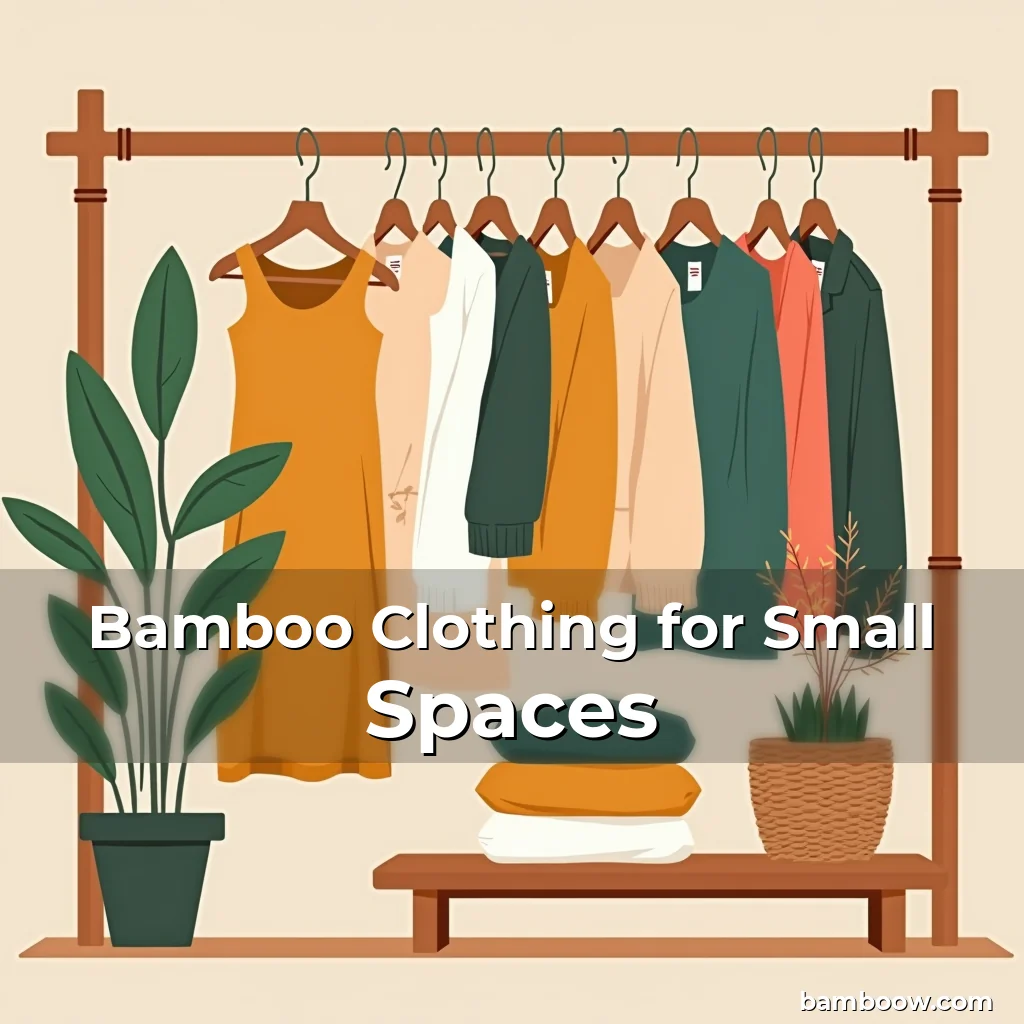
In spaces defined by scarcity, versatility becomes paramount. Bamboo clothing shines in this regard, offering pieces that transcend seasonal trends and occasion-specific needs. Neutral tones prevalent in bamboo fabrics allow easy coordination with existing wardrobes, simplifying outfit creation regardless of room size constraints.
Moreover, the lightweight yet resilient nature of bamboo textiles enables folding into compact forms, optimizing drawer organization and maximizing closet storage capacity. When paired with modular furniture or multi-functional accessories, these garments become integral components of efficient spatial design strategies.
Tips for Maximizing Style Versatility
To fully leverage the adaptive potential of bamboo clothing, consider layering techniques that transform single items into multiple looks. A simple bamboo shirt, for instance, can transition from casual daytime attire to professional settings via strategic accessories like scarves or belts. Similarly, pairing neutral bamboo bottoms with vibrant tops introduces color variety without cluttering visual space.
Investing in quality bamboo basics ensures longevity, reducing the need for frequent replacements. Over time, this approach minimizes textile waste while reinforcing the value proposition of investing in premium natural fibers.
Care Instructions for Longevity and Sustainability
Prolonging the lifespan of bamboo clothing demands mindful maintenance, ensuring continued usability while minimizing environmental strain. Washing in cold water preserves fiber integrity and reduces energy expenditure linked to hot cycles. Always opt for mild detergents devoid of bleach or strong fragrances to avoid damaging delicate threads.
Avoiding direct sunlight exposure during drying prevents fading and maintains the garment’s structural resilience. If machine-drying is necessary, select a low-heat setting or remove items promptly once dry to prevent unnecessary wrinkling or deformation.
- Wash Separately:** Separate bamboo fabrics from rougher textures like denim to prevent abrasion-induced pilling or tearing.
- Iron Carefully:** Utilize steam ironing rather than direct heat application; excessive temperatures may weaken fibers over repeated sessions.
- Store Properly:** Fold instead of hang to maintain shape and reduce creases, especially for heavier articles like trousers or jackets.
Fostering responsible laundering habits extends the life cycle of each piece, ultimately contributing to broader goals of sustainability and resource conservation.
Cost Considerations and Value Proposition
While bamboo clothing typically carries a higher price tag than mass-produced alternatives, evaluating long-term value reveals a compelling return on investment. Compared to polyester or conventional cotton, bamboo fabric demonstrates superior durability and resistance to shrinkage, reducing the frequency of purchases required to maintain an updated wardrobe.
Additionally, the intrinsic antimicrobial qualities decrease laundry demands, translating into lower detergent expenses and lessened strain on plumbing infrastructure. By factoring in these indirect savings alongside initial expenditures, consumers gain clarity on the fiscal rationale behind choosing bamboo over cheaper synthetics.
Economic Impacts on Local Communities
Bamboo clothing production often supports rural economies by employing local artisans in handcrafting processes or cultivating plants in developing regions. Ethical brands frequently partner with cooperatives that guarantee fair wages and safe working conditions, fostering economic empowerment among participating workers.
This socio-economic ripple effect strengthens global supply chains while promoting equitable trade practices. Supporting such initiatives through conscious purchasing decisions reinforces positive change at individual levels while contributing to larger systemic shifts toward fairness and transparency in textile industries worldwide.
Bamboo Clothing for Specific Demographics
From athletes requiring high-performance gear to individuals managing chronic medical conditions, bamboo clothing caters to specialized needs with remarkable precision. Its breathable composition is invaluable for sports enthusiasts engaged in rigorous physical activity, aiding in post-exercise recovery by facilitating faster evaporation rates of perspiration.
Similarly, people suffering from eczema or dermatitis benefit immensely from the hypoallergenic qualities of untreated bamboo fibers. Medical professionals increasingly recommend such materials for patients seeking irritation-free apparel that accommodates both sensitivity and mobility requirements.
- Children’s Apparel:** Bamboo fabric’s gentle touch and antibacterial traits make it exceptionally suitable for infants’ delicate skin, reducing diaper rash occurrences and enhancing overall comfort.
- Elderly Wearables:** Lightweight yet supportive characteristics suit aging populations who require ease of movement combined with protective padding around joints.
- Workplace Uniforms:** Many companies adopt bamboo-based uniforms due to increased employee satisfaction stemming from better thermal regulation and decreased allergy triggers indoors.
By addressing varied demographic profiles, bamboo clothing emerges as a universally applicable solution capable of meeting multifaceted human needs beyond mere aesthetics.
Challenges Facing the Bamboo Industry
Despite numerous advantages, challenges persist in scaling up bamboo clothing production responsibly. Limited availability of certified organic sources remains an issue, prompting some manufacturers to explore hybrid approaches incorporating recycled elements alongside virgin bamboo inputs.
Regulatory disparities across countries complicate standardization efforts regarding labeling accuracy and environmental claims, leading occasional controversies surrounding greenwashing accusations levied against certain brands claiming unsustainable production methods.
Overcoming Barriers Through Innovation
Industry leaders actively collaborate with research institutions to develop novel methodologies aimed at resolving bottlenecks hindering widespread adoption. Biotechnology firms experiment with genetic modifications designed to increase yield per acre without sacrificing ecological stability, potentially revolutionizing future agricultural outputs.
Simultaneously, digital platforms facilitate greater traceability, allowing customers to verify authenticity and ethical compliance through blockchain verifications embedded directly into product databases—an emerging trend poised to redefine trust dynamics within e-commerce sectors reliant heavily upon transparent sourcing practices.
The Future of Bamboo Fashion
As awareness continues growing, expectations evolve concerning what constitutes acceptable standards within the bamboo clothing sector. Emerging technologies promise enhancements spanning everything from dyeing procedures utilizing algae-derived pigments down to nanofiber engineering projects exploring self-repair mechanisms embedded within fabric matrices themselves.
With increasing collaboration among stakeholders—including designers, scientists, policymakers—the trajectory appears set toward integrating advanced functionalities with core values central to bamboo ethos. What was once viewed merely as a novelty item gradually transforms into mainstream staple worthy of serious consideration amidst shifting paradigms defining contemporary textile landscapes globally.
Ultimately, embracing bamboo clothing represents more than just adopting fashionable choices; it signifies participation in collective movements advocating holistic wellness for planet Earth alongside personal wellbeing achievements simultaneously realized through smart material selections made consciously today.
Conclusion
Bamboo clothing stands at the intersection of innovation and ecology, offering a viable path forward for those committed to balancing style with sustainability. Whether driven by necessity arising from confined living arrangements or motivated purely by ecological consciousness, selecting bamboo-based attire proves instrumental in shaping greener futures collectively envisioned across generations ahead.
Engaging actively within networks such as Bamboow fosters opportunities to share knowledge, exchange experiences, and stay informed about latest developments influencing this dynamic field continuously expanding possibilities for conscientious shoppers everywhere striving earnestly toward meaningful contributions positively impacting our shared world environment.

news is a contributor at BamBoow. We are committed to providing well-researched, accurate, and valuable content to our readers.
You May Also Like
About news
Passionate about sustainable living and bamboo cultivation. Sharing insights on eco-friendly practices and green technology.